
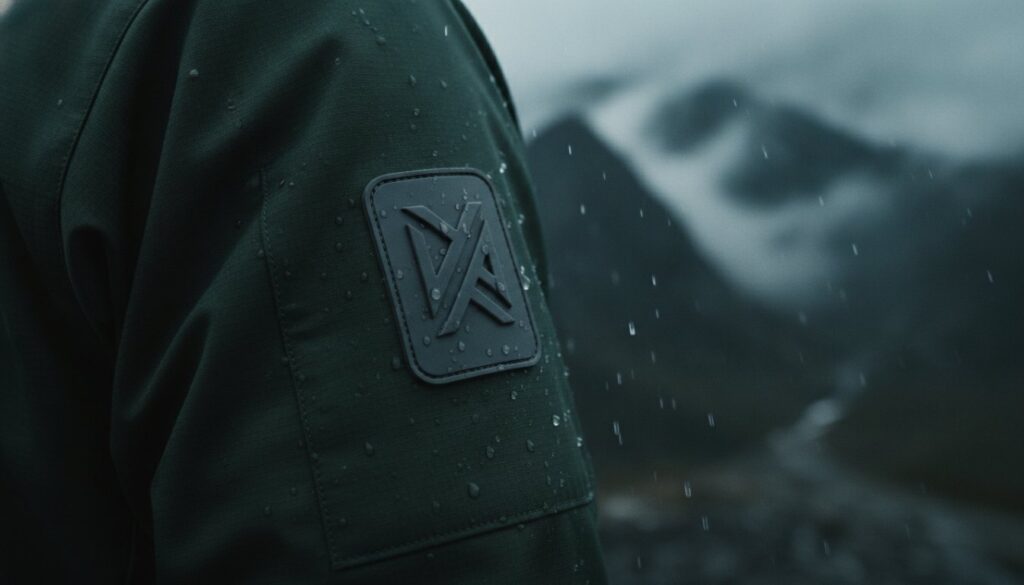
ماذا لو كان الشعار هو أول ما يتلف في معداتك عالية الأداء؟ لقد رأيت ذلك يحدث مرات عديدة: سترة تقنية فاخرة تفقد مظهرها الاحترافي لأن الشعار لم يتحمل الظروف الجوية. إنه أمر محبط للغاية عندما رقع مقاومة للماء للسترات المخصصة للأنشطة الخارجية تتقشر بعد غسلة واحدة أو تسمح للماء بالتسرب عبر الثقوب الدقيقة في التطريز. أنت بحاجة إلى حل للعلامة التجارية يتمتع بنفس المتانة التي تتميز بها المسارات التي يتنزه فيها عملاؤك.
أعلم أنك تريد شارة تبدو فاخرة وتبقى مثبتة في المطر والثلج وتحت التعرض الشديد للأشعة فوق البنفسجية. لقد مررت بنفس التجربة، وأنا هنا لمساعدتك على القيام بذلك بالشكل الصحيح. سأوضح لك كيفية اختيار وتصميم شارات مخصصة مقاومة للماء تتحمل العوامل الجوية دون أن تفقد ثباتها أو لونها. سأرشدك إلى أفضل الخيارات من المواد لعام 2026، وسأشرح لك كيفية تجنب العقبات الشائعة المتعلقة بالمتانة، وسأشاركك نصائحي حول كيفية الحصول على أسعار الجملة لطلباتك الكبيرة. دعنا نتأكد من أن علامتك التجارية مصممة لتدوم طوال عمر السترة نفسها.
الوجبات الرئيسية
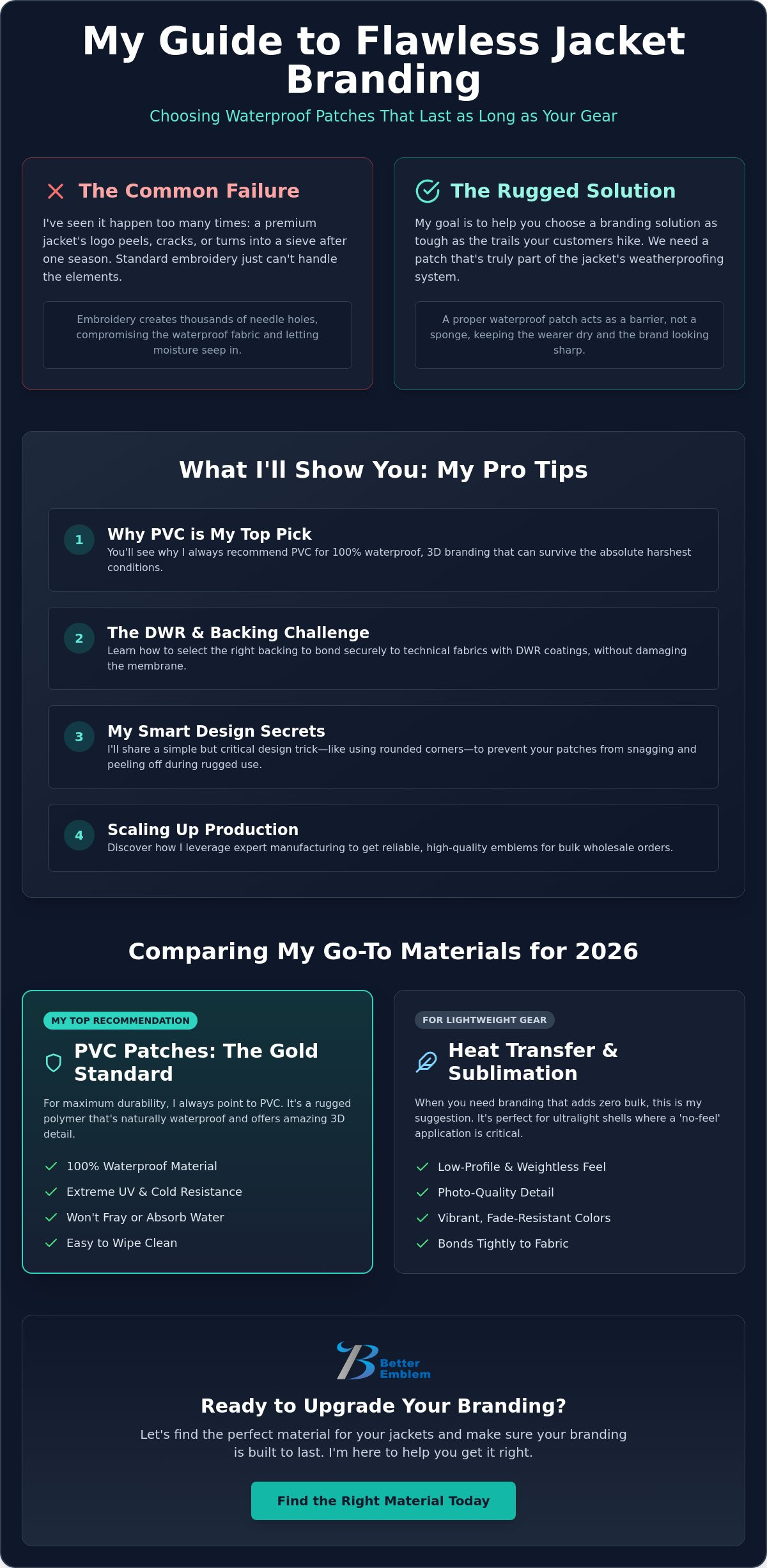
- سأوضح لكم لماذا يُعد البولي فينيل كلوريد (PVC) خياري الأول لإنشاء علامات تجارية ثلاثية الأبعاد مقاومة للماء من طراز 100%، قادرة على الصمود في أقسى الظروف البيئية.
- ستتعلم كيفية اختيار الدعامة المناسبة لضمان أن رقع مقاومة للماء للسترات المخصصة للأنشطة الخارجية تظل مثبتة دون الإضرار بالأغشية النسيجية التقنية.
- سأشارككم أسرار التصميم المهنية الخاصة بي، مثل استخدام الزوايا الدائرية لمنع التمزق وارتفاع الحواف أثناء الاستخدام القاسي في الهواء الطلق.
- اكتشف كيفية التمييز بين التطريز العادي والشعارات المتخصصة غير المسامية التي تمنع دخول الرطوبة وتحافظ على زاهية الألوان.
- سأشرح لك كيفية الاستفادة من الخبرة المتخصصة في مجال التصنيع لتوسيع نطاق علامتك التجارية من خلال إنتاج بالجملة موثوق وعالي الجودة.
ما هي الرقع المقاومة للماء المستخدمة في السترات المخصصة للأنشطة الخارجية؟
أُعرِّف الرقع المقاومة للماء بأنها شارات مصنوعة من الأقمشة أو البوليمرات، ومصممة خصيصًا للاستخدام في البيئات الرطبة التي تتطلب أداءً عاليًا. وبناءً على خبرتي، فإنها تختلف تمامًا عن التطريزات العادية التي تراها على قمصان البولو غير الرسمية. وتُعد هذه الشارات أساسية للسترات التقنية ومعاطف المطر الثقيلة والسترات المحشوة بالزغب، لأنها مصنوعة من مواد غير مسامية أو تتميز ببطانات محكمة الإغلاق. وعندما أتحدث عن رقع مقاومة للماء للسترات المخصصة للأنشطة الخارجية, ، وأنا أشير هنا إلى منتج يجمع بين الجمال والأداء التقني. إنه ليس مجرد علامة تجارية؛ بل هو أحد مكونات نظام مقاومة العوامل الجوية في السترة.
يجب أن يقاوم الرقعة عالية الجودة تسرب الماء مع الحفاظ على مرونة كافية لتتحرك معك أثناء المشي لمسافات طويلة أو التسلق. فإذا كانت الرقعة صلبة للغاية، فإنها تخلق نقطة ضغط على القماش قد تؤدي إلى تآكل مبكر أو تمزق. فكر في الفرق بين الملصق والحشية. الملصق يوضع فوق القماش، أما الحشية فتندمج فيه. هكذا أرى الرقعة المقاومة للماء عالية الجودة. يجب أن تبدو وكأنها جزء طبيعي من الثوب، سواء كنت ترتدي سترة خارجية من ثلاث طبقات أو سترة واقية خفيفة الوزن من النايلون. هدفي هو مساعدتك في إيجاد التوازن المثالي بين المتانة والراحة.
لماذا لا يكفي التطريز العادي؟
يعتمد التطريز التقليدي على الخيوط. ورغم أن الخيوط تضفي ملمسًا رائعًا، إلا أنها تترك آلاف الثقوب الصغيرة الناتجة عن الإبرة في سترتك. وهذا يمثل كارثة بالنسبة للمعدات عالية الأداء. فالماء يتسرب عبر هذه الثقوب بفعل الظاهرة الشعرية، مما يؤدي في النهاية إلى الإخلال بجفاف الملابس من الداخل. وأنا أوصي دائمًا باستخدام بدائل مقاومة للماء للحفاظ على سلامة المعدات المتطورة الأقمشة المقاومة للماء. إذا كنت تنوي شراء سترة تكلف مئات الدولارات، فإن آخر ما تريده هو عنصر في تصميمها يجعلها تشبه المنخل. واختيار المواد التي تمنع الرطوبة بدلاً من السماح لها بالمرور هو السبيل الوحيد لحماية من يرتديها.
دور DWR والتصاق البقع
تتميز معظم السترات المخصصة للأنشطة الخارجية بطبقة مقاومة للماء متينة (DWR). وقد صُممت هذه المعالجة الكيميائية لجعل قطرات الماء تتجمع وتتدحرج بعيدًا. وهي ميزة رائعة لمن يرتديها، لكنها كابوس بالنسبة لعلامات المنتجات. فهي تجعل من الصعب للغاية على المواد اللاصقة العادية أن تلتصق. لقد لاحظت أن الرقع العادية من نوع “انزع وألصق” غالبًا ما تفشل في غضون ساعات لأن طبقة DWR تمنع تكوين رابطة كيميائية سليمة. فأنت بحاجة إلى مواد لاصقة متخصصة أو طرق تطبيق محددة للتغلب على هذا التوتر السطحي. إن فهم التوتر السطحي لسترتك هو الخطوة الأولى لضمان رقع مقاومة للماء للسترات المخصصة للأنشطة الخارجية تظل تمامًا في المكان الذي وضعتها فيه. سأساعدك في تجاوز هذه العقبات التقنية حتى يظل استثمارك في العلامة التجارية في مأمن مهما كانت الظروف.
مقارنة بين أفضل المواد من حيث الأداء في الأماكن المفتوحة
لقد وجدت أن اختيار الخامة هو العامل الأهم في مدة صلاحية الشارة. يركز معظم الناس على التصميم أولاً، لكن إذا كانت الخامة غير قادرة على تحمل هطول الأمطار الغزيرة، فلن يكون للتصميم أي أهمية. عندما أقوم بتقييم رقع مقاومة للماء للسترات المخصصة للأنشطة الخارجية, ، وأبحث عن كيفية تفاعلها مع الرطوبة وتقلبات درجات الحرارة والتآكل المادي. فأنت لا تريد شارة تبدو فاخرة داخل العلبة، لكنها تتحول إلى فوضى مبللة بعد قضاء بعد ظهر واحد تحت المطر. وعادةً ما أوجه عملائي نحو المواد التي تعمل كحاجز بدلاً من أن تكون كالإسفنج.
بالنسبة لمعظم العلامات التجارية الراقية المتخصصة في ملابس الأنشطة الخارجية، يتوقف الاختيار على مدى قدرة القطعة على تحمل الملمس والوزن. فسترة الباركا الثقيلة يمكنها تحمل شعار متين ومقولب، في حين أن سترة السباق الخفيفة تحتاج إلى شعار يمنح إحساسًا وكأنه غير موجود أصلاً. أبدأ دائمًا بالنظر إلى الغرض المقصود من السترة قبل اختيار مادة الشارة. إذا كنت تصمم معدات لموسم 2026، فعليك التأكد من أن علامتك التجارية متطورة تقنيًّا بقدر تطور الأقمشة التي تستخدمها.
رقع PVC: المعيار الذهبي للأنشطة الخارجية
يُعد مادة PVC خياري الأول للشارات ثلاثية الأبعاد المقاومة للماء من طراز 100%. هذه الشارات مصنوعة من بوليمر متين يتميز بمقاومة طبيعية للماء وقوة تحمل كافية لاستخدامها في معدات تسلق الجبال في الظروف القاسية. يعجبني كيف أن الرقع البلاستيكية البلاستيكية المخصصة تحافظ على شكلها ولونها حتى بعد سنوات من التعرض لأشعة الشمس فوق البنفسجية القاسية ودرجات الحرارة المتجمدة. وعلى عكس الأقمشة التقليدية، فإنها لا تتلف عند الحواف ولا تمتص الماء. كما أنها سهلة التنظيف للغاية، وهو ما يمثل ميزة كبيرة للمتنزهين الذين يقضون عطلات نهاية الأسبوع في الوحل. ونظرًا لأنها مصبوبة، فإنها توفر مستوى من العمق والتفاصيل لا يمكن للرقع المسطحة أن تضاهيه.
نقل الحرارة والتبخير في صناعة المعدات التقنية
في بعض الأحيان، تحتاج إلى حل لوضع العلامة التجارية لا يزيد من سماكة القماش أو يغير من طريقة انسيابه. وهنا أقترح النظر في تقنيتي ‘النقل الحراري’ و«التبخير». تُعد تقنية التبخير هي الأنسب للتصاميم عالية التفاصيل وذات الجودة الفوتوغرافية التي لا تتلاشى. يتم صبغ الحبر مباشرةً في مادة الشارة، مما يضمن بقاء الألوان زاهيةً حتى بعد عشرات دورات الغسيل. إذا كنت تبحث عن حل لوضع العلامة التجارية «غير محسوس» على الأقمشة الرياضية الرقيقة، فاطلع على دليلي حول الطباعة بالنقل الحراري. تتميز هذه المنتجات بتصميمها النحيف وإحساسها بـ‘الخفة’، مما يجعلها مثالية للسترات الخارجية فائقة الخفة. فهي تلتصق بإحكام بسطح القماش، مما يحافظ على الشكل الأنيق للمعدات التقنية دون إضافة وزن غير ضروري. إذا كنت مستعدًا لترقية معداتك،, دعونا نختار الخامة المناسبة لستراتك اليوم.
اختيار البطانة المناسبة: القابلة للخياطة مقابل اللاصقة
اختيار الدعامة المناسبة لـ رقع مقاومة للماء للسترات المخصصة للأنشطة الخارجية لا يقل أهمية عن القماش نفسه. لقد رأيت تصاميم جميلة تتساقط على مسار المشي لأن الطبقة الخلفية لم تكن قادرة على تحمل الظروف البيئية. الطبقة الخلفية هي الجسر الحقيقي بين علامتك التجارية والنسيج التقني. إذا انهار هذا الجسر، فستضيع علامتك التجارية. أقوم عمومًا بتصنيف الطبقات الخلفية إلى فئتين: تلك التي تتغلغل في النسيج وتلك التي تلتصق بالسطح. ويحدد اختيارك ما إذا كانت الشارة ستبقى في مكانها أثناء عاصفة جبلية أم ستنتهي في قاع صندوق المعدات.
أقول دائمًا لعملائي إن الطبقة الخلفية يجب أن تتناسب مع متانة الشارة. فإذا كنت قد استثمرت في شارة متينة مصنوعة من مادة PVC، فلا تقلل من قيمتها باستخدام مادة لاصقة ضعيفة. أنت بحاجة إلى حل يتحمل تمدد وتقلص السترة مع حركة مرتديها. تتعرض معدات الأنشطة الخارجية للكثير من الإجهاد، والطبقة الخلفية هي الشريك الصامت الذي يحافظ على المظهر الاحترافي لكل شيء. دعونا نلقي نظرة على الأسباب التي تجعل الطريقة التقليدية لتثبيت الشارات خيارًا خاطئًا لمعداتك التقنية.
مشكلة خياطة السترات المقاومة للماء
عادةً ما أنصح بعدم الخياطة في الأغشية المقاومة للماء مثل ‘غور-تكس’. فكل غرزة تمثل نقطة تسرب. وأسمي ذلك «ثقب درع الحماية الخاص بك». إذا كنت قد أنفقت مالاً على سترة خارجية عالية الجودة، فإن إحداث آلاف الثقوب فيها هو آخر ما تريد القيام به. فالمياه ستجد طريقها في النهاية إلى تلك الثقوب وتتسرب إلى الداخل. إذا كان مشروعك يتطلب مظهرًا مخيطًا بشكل لا مفر منه، فسيتعين عليك وضع شريط مانع للتسرب فوق الغرز من الداخل. إنها عملية يدوية بطيئة تزيد من التكلفة. ولهذا السبب أعتقد رقع مخصصة تُعد المنتجات المزودة بطبقة خلفية لاصقة عالية الجودة أو قابلة للختم الحراري خيارًا أكثر ذكاءً بكثير لمعدات الأنشطة الخارجية الحديثة. فهي تحافظ على سلامة الغشاء وتبقي مرتديها جافًا.
الختم الحراري والربط الحراري
أفضل استخدام الأغشية اللاصقة القابلة للختم بالحرارة في عملي للحصول على ربط دائم ومقاوم للماء. فعندما يتم تطبيقها بالضغط والحرارة المناسبين، يذوب المادة اللاصقة في ألياف السترة، مما يخلق إحكامًا يتحمل الغسيل في الغسالة وقسوة المسارات. لكن عليك توخي الحذر عند التعامل مع الأقمشة الاصطناعية مثل النايلون أو البوليستر. أنصح باستخدام مكبس حراري مزود بضوابط دقيقة بدلاً من مكواة منزلية لتجنب إذابة السترة. فبضع ثوانٍ من الحرارة المركزة تكفي لتكوين رابطة لا يمكن للمواد اللاصقة الحساسة للضغط أن تضاهيها. وللحصول على مظهر احترافي يدوم طويلاً، يضمن التثبيت الحراري أن رقع مقاومة للماء للسترات المخصصة للأنشطة الخارجية تظل جزءًا لا يتجزأ من المعدات، مهما اشتدت شدة المطر.
قائمة المهام المهنية الخاصة بي لتصميم الشارات الخارجية
يختلف التصميم المخصص للمسارات اختلافًا كبيرًا عن التصميم المخصص لشاشة الكمبيوتر. عندما أعمل على رقع مقاومة للماء للسترات المخصصة للأنشطة الخارجية, ، فأنا لا أفكر في الشعار فحسب؛ بل أفكر في كيفية تفاعل تلك الشارة مع الرياح والمطر وأحزمة حقائب الظهر الثقيلة. فالتصميم الذي يبدو رائعًا على شاشتك قد يفشل في الاستخدام الميداني إذا لم يتم تحسينه ليتناسب مع الحركة. أبدأ دائمًا بالتفكير في البيئة التي ستُستخدم فيها السترة. فالمعدات المخصصة للارتفاعات العالية تتطلب اعتبارات تصميمية مختلفة عن معطف المطر العادي المخصص للمدينة. فأنت تريد أن تكون علامتك التجارية ميزة، لا عائقًا أمام أداء من يرتديها.
يُعد الحجم أحد العوامل الأكثر إهمالًا في عملية التصميم. فإذا صممت رقعة كبيرة جدًّا، فقد تجعل السترة التقنية تبدو صلبة أو ‘كأنها لوح خشبي’. وهذا يفسد الانسيابية الطبيعية للنسيج، بل وقد يؤدي إلى شد الدرزات أثناء ممارسة الأنشطة الشاقة. أوصي بأن يكون حجم الشارات مناسبًا للأجزاء المحددة من الملابس. كما تحتاج أيضًا إلى لوحة ألوان جريئة. فظروف الإضاءة الخافتة على المسار أو في الغابة تجعل التدرجات اللونية الدقيقة والألوان الباهتة تختفي. لذا، ألتزم بالألوان عالية التباين لضمان بقاء علامتك التجارية مرئية حتى عندما يصبح الطقس رماديًا وتغطي السحب السماء.
تجنب ارتفاع الحواف والتشابك
تُعد الزوايا الحادة أول مكان يبدأ فيه الرقعة بالتقشر. إذا كانت الرقعة مربعة أو مستطيلة الشكل، فإن تلك الزوايا الحادة معرضة للالتصاق بالفروع أو المعدات. وبمجرد أن ترتفع إحدى الزوايا، تتسرب الرطوبة إلى ما تحتها، مما يؤدي إلى إضعاف قوة الالتصاق. أقترح استخدام الأشكال الدائرية أو البيضاوية لتحقيق أقصى تلامس مع السطح والحصول على مظهر أكثر انسيابية. كما يلعب تشطيب الحواف دورًا رئيسيًّا في إطالة العمر الافتراضي. تُعد الحواف المُخيطة بالطريقة الكلاسيكية متينة، لكن الحواف المقطوعة بالليزر توفر مظهرًا أكثر استواءً وأقل عرضةً للالتصاق بالأجسام الخارجية. ويُعد اختيار الشكل المناسب أبسط طريقة لإطالة عمر علامتك التجارية.
العمق والملمس من خلال التطريز ثلاثي الأبعاد
يمكن أن تساهم الإضافات البارزة في إبراز علامتك التجارية، حتى على سطح سترة مسطح. أحب استخدام النسيج لإضفاء إحساس بالفخامة يمكن للعملاء فعليًّا لمسه والشعور به. اطلع على دليل التطريز ثلاثي الأبعاد للحصول على أفكار تصميمية حول كيفية استخدام طبقات الرغوة لإضفاء بُعد إضافي. ما عليك سوى موازنة الوزن بعناية. فإذا كانت الرقعة ثقيلة جدًّا، فإنها تتسبب في ترهل نسيج السترة وتبدو غير مرتبة بمرور الوقت. وأنا أساعد عملائي في إيجاد التوازن المثالي الذي تبدو فيه الرقعة بارزة دون أن تشد النسيج إلى الأسفل. إذا كنت مستعدًا لبدء مشروعك التالي،, دعونا نصمم شاراتك الخارجية المخصصة معًا اليوم.
التعاون مع شركة «بيتر إمبليم» لتلبية احتياجاتك في مجال البيع بالجملة
أساعد العلامات التجارية على توسيع نطاق إنتاجها من خلال خدمات تصنيع المعدات الأصلية (OEM) الاحترافية التي تزيل عنك عبء التخمين في عملية التصنيع. تعمل شركة «بيتر إمبليم» المحدودة على إتقان فن صناعة الشارات منذ عام 1978، لذا فقد واجهنا كل التحديات التقنية التي يمكن أن تتخيلها. يتولى فريقي المهام الشاقة وتعقيدات التصنيع حتى تتمكن من التركيز على تصاميمك وعملائك. بفضل منشآتنا الإنتاجية العالمية، أضمن لك إنجازًا سريعًا يحافظ على تدفق مخزونك دون التعرض للضغوط المعتادة المرتبطة باللوجستيات الدولية. ستستفيد من خبرتنا التي تمتد لعقود دون الحاجة إلى أن تصبح خبيرًا في مجال المنسوجات بنفسك.
عندما تقوم بالتوريد رقع مقاومة للماء للسترات المخصصة للأنشطة الخارجية, ، فأنت بحاجة إلى شريك يفهم المتطلبات الجمالية والتقنية على حد سواء. فالأمر لا يقتصر على مجرد تصميم شعار؛ بل يتعلق بضمان أن يصمد هذا الشعار على طول ألف ميل من المسار. لقد صممت خدماتنا في شركة Better Emblem Company Ltd. لتكون مبسطة قدر الإمكان، متخلصًا من العقبات التي عادةً ما تصاحب المنتجات النسيجية المتخصصة. هدفي هو جعل العملية تبدو سهلة وسلسة، حتى عندما نتعامل مع مواصفات تقنية معقدة لمعدات عالية الأداء. إنها العلامة التجارية ببساطة.
من الفكرة إلى التصدير العالمي
أقوم بإرشادكم خلال كل خطوة من خطوات هذه الرحلة، بدءًا من رقمنة تصميماتكم الفنية الأولية وصولاً إلى توفير البوليمرات أو الخيوط المطلوبة بالضبط لبيئتكم الخاصة. وأنا أدرك أن التكلفة تمثل عاملاً رئيسيًّا لأي علامة تجارية، لذا نقدم نماذج تسعير متدرجة تناسب الجميع. وهذا يضمن أن تتمكن حتى الشركات الناشئة في مجال الأنشطة الخارجية، التي لا تزال في مرحلة النمو، من الحصول على نفس جودة التصنيع العالية التي تحظى بها الشركات العملاقة في هذا القطاع. كما أنني ملتزم التزامًا راسخًا بالاستدامة في عمليات التصنيع لدينا. فنحن نبحث باستمرار عن طرق لتقليل النفايات وتحسين أثرنا البيئي. ويضمن هذا الالتزام أن تظل علامتك التجارية متوافقة مع القيم البيئية للمستهلك العصري في مجال الأنشطة الخارجية، مع الحفاظ في الوقت نفسه على التفاصيل التصنيعية الراقية.
طلب عرض أسعار مخصص لك
أجعل البدء في مشروعك القادم أمرًا في غاية البساطة. لست بحاجة إلى الخوض في متاهة من النماذج؛ ما عليك سوى إرسال تصميمك وإخباري بما تحتاج إليه. عندما تقدم المواصفات الفنية الخاصة بـ رقع مقاومة للماء للسترات المخصصة للأنشطة الخارجية, ، احرص على ذكر مادة السترة وأي معالجات DWR تستخدمها. تتيح لي هذه المعلومات أن أوصيك بالمزيج المثالي بين البطانة والمادة المناسب لاستخدامك المحدد. سأقدم لك عرض أسعار واضحًا وشفافًا يزيل أي عقبات خفية ويحدد جدولًا زمنيًا دقيقًا للتسليم. إذا كنت مستعدًا للارتقاء بعلامتك التجارية إلى المستوى التالي،, دعونا نبني علامتك التجارية معًا وجهزوا معداتكم استعدادًا لموسم 2026.
قم ببناء علامتك التجارية لتتناسب مع العناصر
يجب أن تكون علامتك التجارية متينة بقدر المعدات التي توضع عليها. لقد أوضحت لكم أن اختيار المادة المناسبة، مثل البولي فينيل كلوريد (PVC) المتين، وطريقة التطبيق الحراري الصحيحة، هو ما يميز الشارة التي تدوم طويلاً عن تلك التي تتلف في أول رحلة مشي. ومن خلال تجنب ثقوب الإبرة واختيار التصاميم ذات الحواف الدائرية، فإنكم تحافظون على سلامة الأقمشة التقنية الخاصة بكم مع ضمان بقاء شعاركم واضحاً ومرئياً. عندما تستثمرون في منتجات عالية الجودة رقع مقاومة للماء للسترات المخصصة للأنشطة الخارجية, ، فأنت تستثمر في سمعة علامتك التجارية من حيث الموثوقية والجودة.
بصفتي أحد أعضاء شركة «بيتر إمبليم» المحدودة، قضيت سنوات عديدة منذ عام 1978 في مساعدة العلامات التجارية على التعامل مع تعقيدات عملية التصنيع. نحن متخصصون في منتجات البولي فينيل كلوريد (PVC) المتينة والتطريز ثلاثي الأبعاد عالي الأداء، ونقدم خدمة تصنيع المعدات الأصلية (OEM) عالمية تزيل العقبات التي تعترض الإنتاج المتخصص. أنا على استعداد لمساعدتكم في وضع اللمسات الأخيرة على تصاميمكم لعام 2026 وبدء الإنتاج بسرعة. ابدأ اليوم في طلب شاراتك المخصصة المقاومة للماء من شركة Better Emblem Company Ltd.. دعونا نتأكد من أن معداتك مصممة لتصمد أمام كل عاصفة وكل قمة.
الأسئلة المتداولة
هل يمكنني لصق رقعة على سترة مقاومة للماء دون الحاجة إلى الخياطة؟
نعم، يمكنك بالتأكيد إصلاح الثقب دون الحاجة إلى إبرة أو خيط. أوصي باستخدام دعامات ملصقة بالحرارة أو مواد لاصقة متخصصة حساسة للضغط للحفاظ على غشاء السترة المقاوم للماء سليمًا. ففي حين أن الخياطة تخلق آلاف الثقوب الدقيقة التي تسمح بدخول الرطوبة، فإن الطرق اللاصقة تخلق رابطة سطحية. هذه الطريقة أكثر أمانًا للمعدات التقنية وتضمن بقاء شعار علامتك التجارية في مكانه دون المساس بجفاف من يرتدي السترة.
هل ستتلف الرقعة القابلة للكي سترتي المصنوعة من مادة «غور-تكس»؟
لن يتلف السترة إذا قمت بتطبيقها بحذر وباستخدام إعدادات درجة الحرارة الصحيحة. العديد من الأقمشة التقنية حساسة للحرارة الشديدة، لذا أنصح دائمًا باستخدام قطعة قماش للكي ومكبس حراري مزود بأدوات تحكم رقمية. إذا استخدمت حرارة زائدة، فإنك تخاطر بإذابة الألياف الاصطناعية. ومع ذلك، غالبًا ما يكون الربط الحراري الخاضع للرقابة هو الطريقة الأكثر موثوقية لتثبيت رقع مقاومة للماء للسترات المخصصة للأنشطة الخارجية بشكل دائم.
ما هي المادة الأكثر متانة لصنع الشارات المخصصة للاستخدام في الهواء الطلق؟
يُعد البولي فينيل كلوريد (PVC) أكثر المواد متانةً التي صادفتها للاستخدام الخارجي عالي الأداء. فهو بوليمر متين لا يمتص قطرة ماء واحدة، ولا يتلف أو يتلاشى لونه مثل الخيوط التقليدية. لقد رأيت شعارات مصنوعة من البولي كلوريد الفينيل (PVC) تصمد لسنوات خلال رحلات استكشافية جبلية، وتظل في حالة ممتازة تمامًا كما كانت يوم صنعها. إذا كانت معداتك بحاجة إلى تحمل الأمطار الغزيرة والطين والتعرض الشديد للأشعة فوق البنفسجية، فهذه هي المادة التي أوصي بها دائمًا.
كيف أتأكد من أن الشارة المخصصة الخاصة بي لن تتقشر تحت المطر؟
يبدأ ضمان ثبات الشارة بسطح نظيف وربط حراري عالي الجودة. أوصي بتنظيف منطقة اللصق بالكحول الإيزوبروبيل لإزالة أي أوساخ أو زيوت قبل تعريضها للحرارة. ونظرًا لأن العديد من السترات الخارجية مطلية بطبقة مقاومة للماء (DWR)، فأنت بحاجة إلى مادة لاصقة ذات جودة احترافية قادرة على اختراق هذا الحاجز. يجب أن يبدو الالتصاق السليم وكأنه جزء دائم من النسيج، بحيث يصمد أمام هطول الأمطار الغزيرة ودورات الغسيل المتكررة.
هل الشارات المصنوعة من مادة PVC أفضل من الشارات المطرزة في معدات التنزه؟
أعتقد أن مادة PVC هي الأفضل لمعدات التنزه لأنها مقاومة للماء بطبيعتها وأسهل بكثير في التنظيف. تستخدم الرقع المطرزة خيوطًا مسامية يمكنها امتصاص الرطوبة والاحتفاظ بالأوساخ، مما يؤدي في النهاية إلى تآكل الحواف. أما مادة PVC فهي غير مسامية ويمكن مسحها بقطعة قماش مبللة لتنظيفها. ورغم أن التطريز يضفي مظهرًا كلاسيكيًا، إلا أنه ببساطة لا يمكنه أن يضاهي الأداء المقاوم للعوامل الجوية والتفاصيل ثلاثية الأبعاد التي توفرها مادة PVC أثناء التنزه.
هل يمكنني غسل سترة عليها رقعة مقاومة للماء مصنوعة خصيصًا؟
يمكنك بالتأكيد غسل سترتك، شريطة أن يكون الشعار قد تم تثبيته باستخدام طريقة اللصق الحراري عالية الجودة أو الخياطة. أنا أنصح عملائي دائمًا بقلب الملابس من الداخل إلى الخارج واستخدام دورة غسيل باردة ولطيفة لحماية سطح الشارة. تجنب استخدام مجفف يعمل بدرجة حرارة عالية، حيث إن درجات الحرارة الشديدة قد تؤدي أحيانًا إلى إضعاف قوة الالتصاق. إذا اتبعت خطوات العناية البسيطة هذه، فستظل علامتك التجارية المخصصة ثابتة وزاهية لسنوات عديدة.
كم تبلغ تكلفة طلب رقع مقاومة للماء بكميات كبيرة؟
تعتمد التكلفة على الحجم، ومدى تعقيد التصميم، والمواد المحددة التي تختارها لطلبك. لقد وجدت أن الطلب بالجملة يخفض سعر الوحدة بشكل كبير، مما يجعله حلاً فعالاً من حيث التكلفة لتعزيز العلامة التجارية في عمليات الإنتاج الكبيرة. ورغم أنني لا أذكر سعراً محدداً هنا، إلا أنني أقدم دائماً عروض أسعار شفافة وشاملة تتضمن جميع مراحل التصنيع. وعادةً ما توفر الكميات الكبيرة أفضل قيمة للعلامات التجارية التي تسعى إلى توسيع نطاق منتجاتها.
ما هو الشكل الأفضل للرقعة التي يجب أن تظل مثبتة على حقيبة الظهر؟
تُعد الأشكال الدائرية أو البيضاوية الخيار الأفضل لحقائب الظهر والمعدات المعرضة للتآكل الشديد. وأنا أتجنب الزوايا الحادة لأنها أول الأماكن التي تتعثر في الأغصان أو تنفصل عن السطح. فالحافة المستديرة توفر تلامسًا أكثر اتساقًا بين المادة اللاصقة والسطح، كما تضمن مظهرًا أكثر انسيابية. ويضمن هذا الاختيار التصميمي البسيط أن رقع مقاومة للماء للسترات المخصصة للأنشطة الخارجية وتظل الحقائب مثبتة حتى عند حشر المعدات في الأماكن الضيقة.