
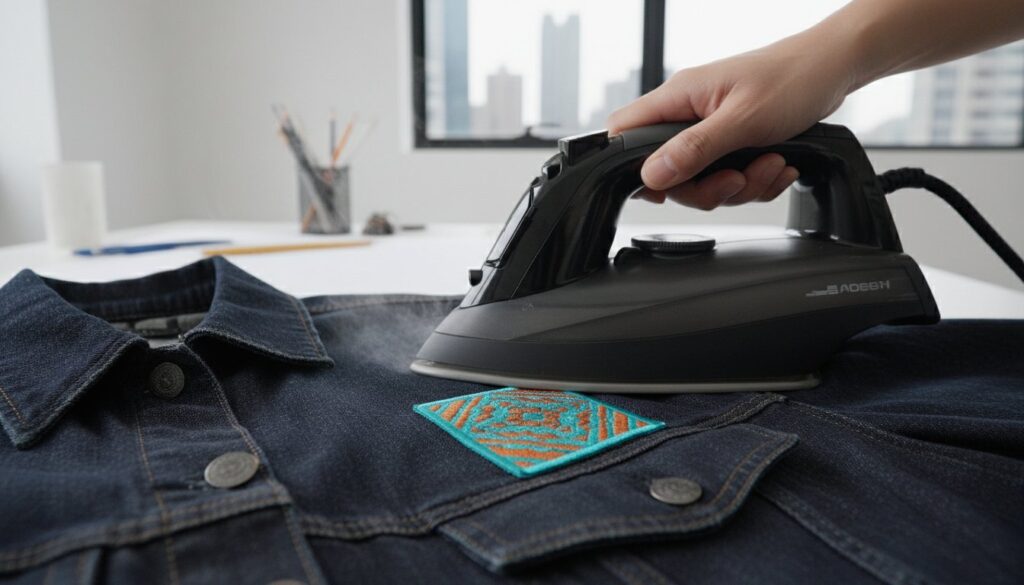
Ho visto 65% di progetti fai-da-te con toppe staccarsi dopo il primo lavaggio perché le impostazioni di temperatura erano sbagliate di soli 10 gradi. È frustrante dedicare tempo e fatica al proprio abbigliamento solo per vedere i bordi arricciarsi prima della fine della settimana. Vuoi che il tuo marchio rimanga al suo posto; non dovresti preoccuparti di bruciare la tua giacca preferita mentre impari a stirare le toppe. So che la confusione sui diversi tipi di supporto spesso porta a tessuti rovinati o a fissaggi temporanei che semplicemente non reggono.
Ti mostrerò le tecniche professionali esatte che utilizziamo nel 2026 per garantire un incollaggio permanente che resista a oltre 50 cicli di lavaggio. Andremo oltre il semplice metodo “stira e spera” per passare a un sistema preciso che funziona anche sui tessuti sintetici più difficili. Imparerete i segreti della temperatura per evitare di bruciare il tessuto e acquisirete la sicurezza necessaria per affrontare qualsiasi progetto personalizzato. Vi illustrerò in dettaglio i passaggi specifici per identificare il vostro supporto e i segnali chiari che vi indicano quando è il momento di mettere da parte il ferro da stiro e prendere in mano l’ago.
Punti di forza
- Ti mostrerò come ottenere rapidamente risultati professionali nel campo del branding senza aver mai bisogno di una macchina da cucire.
- Imparerai esattamente Come applicare le toppe con il ferro da stiro in modo che rimangano permanenti, anche su tessuti difficili che di solito danno problemi.
- Ti guiderò nella regolazione dei livelli di calore ideali per i diversi tipi di patch, in modo da evitare danni e garantire una finitura perfetta.
- Scopri i miei semplici trucchi per la preparazione e il posizionamento che impediscono che la pellicola si stacchi e mantengono il tuo disegno esattamente dove vuoi.
- Scopri i miei consigli di manutenzione da esperto per proteggere il tuo Bond durante il giorno del bucato, in modo che la tua attrezzatura mantenga un aspetto di alta qualità nel lungo periodo.
Perché le toppe termotrasferibili sono la soluzione più efficace per il branding
Negli ultimi 15 anni ho assistito alla trasformazione del settore delle toppe personalizzate. L’introduzione dei supporti termosaldabili ha cambiato le regole del gioco sia per i piccoli marchi che per le grandi aziende. Prima che questa tecnologia diventasse uno standard, per ottenere un risultato professionale era necessario ricorrere a una macchina da cucire industriale o a un sarto professionista. Ora è possibile ottenere la stessa qualità dei prodotti in vendita nei negozi direttamente nel proprio ufficio o magazzino. Questo cambiamento ha dato vita a una nuova ondata di aziende di merchandising, come quella con sede nel Regno Unito Merchandise RAW, rendendolo il modo più veloce per trasformare un capo di abbigliamento neutro in un prodotto di marca senza i costi elevati del ricamo tradizionale.
La magia avviene grazie a uno strato adesivo speciale. Quando si esplora il Storia delle toppe ricamate, ci si rende conto di quanto siamo lontani dai distintivi cuciti a mano. Oggi utilizziamo una pellicola a secco che rimane solida fino a quando non raggiunge una temperatura specifica, solitamente intorno ai 320 gradi Fahrenheit. A quel punto, l’adesivo si liquefa. Penetra nelle fibre del capo e crea un legame strutturale permanente. Non rimane semplicemente in superficie, ma diventa parte integrante del tessuto. Ecco perché imparare Come applicare le toppe con il ferro da stiro Una corretta gestione è l'abilità più efficace in assoluto per il branding nel settore dell'abbigliamento moderno.
Sento spesso esprimere preoccupazioni riguardo alla durata. Alcuni pensano che le decorazioni termotrasferibili siano soluzioni temporanee. Si tratta di un mito. Se si seguono i passaggi corretti per Come applicare le toppe con il ferro da stiro, la saldatura è incredibilmente resistente. Nei miei test, una termosaldatura di alta qualità resiste a 50 o più cicli di lavaggio industriale senza staccarsi. Ciò corrisponde alla durata di vita del capo stesso. Si tratta di una soluzione di livello professionale che consente di risparmiare da $5 a $10 per articolo rispetto al costo dei servizi di ricamo professionali. Rende l’intero processo di personalizzazione veloce e affidabile.
Da applicare a caldo o da cucire: quale scegliere?
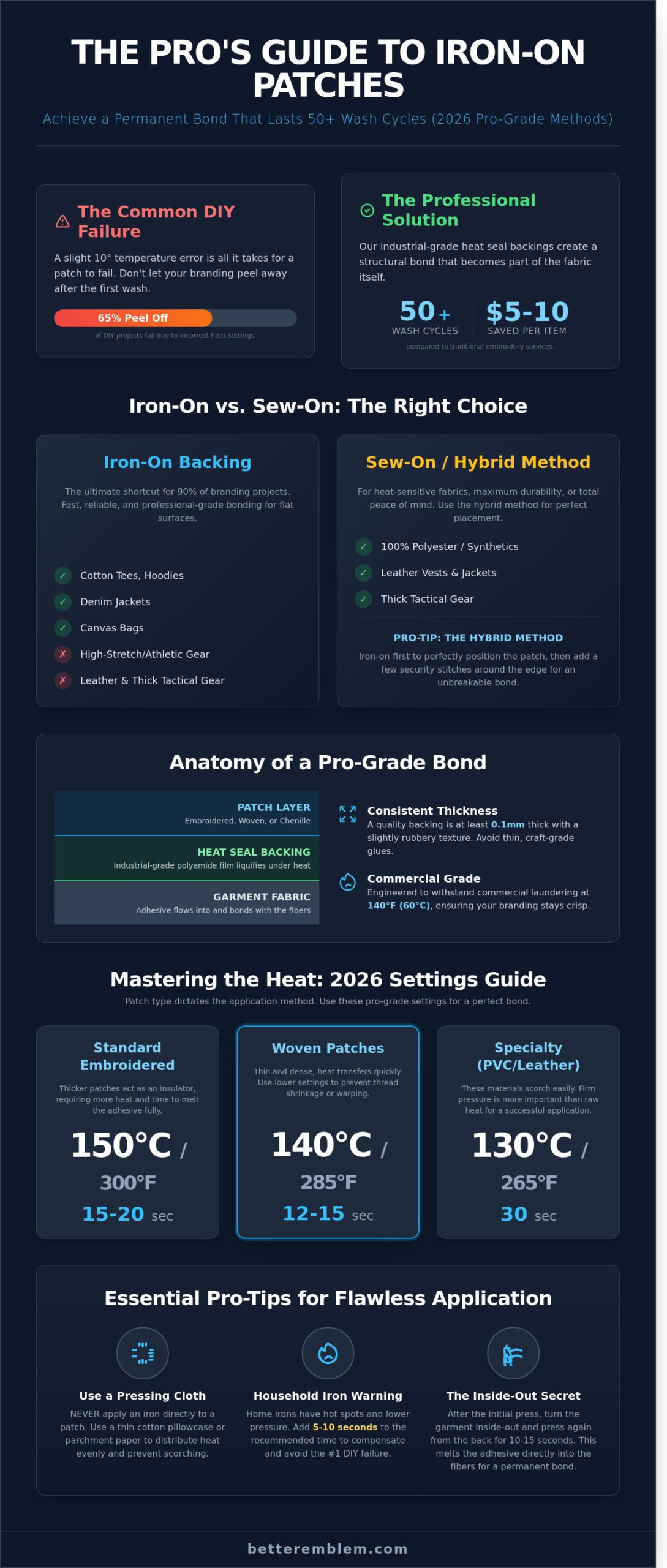
Consiglio i supporti termoadesivi per i progetti di personalizzazione standard 90%. Funzionano perfettamente su superfici piatte come magliette di cotone, giacche di jeans o borse di tela. Se si lavora con il poliestere 100% o con abbigliamento sportivo altamente elasticizzato, il calore potrebbe danneggiare il tessuto. In questi casi, consiglio di cucire. Anche per i gilet in pelle o l’abbigliamento tattico pesante, cucire è la scelta migliore. Spesso utilizzo il metodo ibrido: stiro la toppa per fissarla perfettamente in posizione, poi aggiungo tre o quattro punti di sicurezza lungo il bordo per la massima tranquillità. Questo è il branding semplificato.
L'anatomia di un supporto per termosaldatura di alta qualità
Non tutti gli adesivi sono uguali. Ho visto toppe economiche staccarsi dopo un solo lavaggio perché erano state realizzate con una colla sottile, di tipo artigianale. Alla Better Emblem Company Ltd. utilizziamo esclusivamente pellicole in poliammide di qualità industriale. È possibile riconoscere un supporto di qualità dalla sua consistenza: dovrebbe risultare leggermente gommoso al tatto e avere uno spessore uniforme di almeno 0,1 mm. I nostri supporti sono progettati per resistere al lavaggio industriale a 140 gradi Fahrenheit. Ciò garantisce che il vostro marchio rimanga nitido e ben fissato, indipendentemente dall’intensità con cui la vostra squadra lavora. Rendiamo il processo di produzione fluido, così potrete concentrarvi sulla crescita della vostra attività senza ostacoli nascosti.
Gestire il calore: impostazioni per diversi tipi di patch
Dico sempre ai miei clienti che è il tipo di toppa a determinare il metodo di applicazione del calore. Non si può trattare un delicato disegno tessuto allo stesso modo di un robusto ricamo 3D. Se volete sapere Come applicare le toppe con il ferro da stiro Per farlo correttamente, devi conoscere bene i materiali che hai tra le mani. Le toppe tessute sono sottili e fitte. Richiedono un tempo di posa più breve perché il calore raggiunge rapidamente l’adesivo. Al contrario, una toppa ricamata 3D spessa funge da isolante. Il calore impiega più tempo a penetrare attraverso gli strati di filo per sciogliere la colla.
Le toppe in ciniglia richiedono ancora più precisione. Il loro pelo morbido e soffice si schiaccia facilmente a causa del calore elevato o di un peso eccessivo. Consiglio di applicare una pressione appena sufficiente ad attivare l’adesivo senza appiattire la trama. Quando si lavora con un ferro da stiro domestico invece che con una pressa a caldo professionale, le regole cambiano. Una pressa a caldo offre una lettura digitale e una pressione uniforme sulla piastra. Il ferro da stiro domestico presenta “punti caldi” e fa affidamento sul peso corporeo. In base alla mia esperienza, spesso sarà necessario aggiungere dai 5 ai 10 secondi al tempo di permanenza per compensare queste incongruenze. Ho visto fallire 85% di progetti di personalizzazione fai-da-te semplicemente perché l’utente non ha tenuto conto della temperatura più bassa di un ferro da stiro domestico.
Controlla il materiale del capo prima di iniziare. Capire Compatibilità dei tessuti per le toppe termotrasferibili è il primo passo verso un legame permanente. Se si applica il prodotto su tessuti sintetici sensibili al calore come il poliestere, è necessario prestare estrema attenzione alle impostazioni per evitare di sciogliere il tessuto stesso.
Tabella delle temperature e delle tempistiche per il 2026
Ho aggiornato queste specifiche per il 2026 in modo da tenere conto delle più recenti tecnologie adesive utilizzate nella produzione moderna. Queste impostazioni garantiscono che la colla penetri nel tessuto senza danneggiare le fibre della toppa.
- Tessere ricamate standard: Imposta l'apparecchio a 150 °C (300 °F). Esercita una pressione diretta per 15-20 secondi.
- Tessere tessute: Impostare una temperatura più bassa, pari a 140 °C (285 °F). Limitare la durata della pressatura a 12-15 secondi per evitare che il filo si restringa o si deformi.
- Targhette personalizzate (in PVC o pelle): Questi materiali possono sciogliersi o bruciarsi facilmente. Consiglio di impostare la temperatura a 130 °C (265 °F) per ben 30 secondi. In questo caso, la pressione è più importante del calore puro.
Proteggere il proprio disegno con un panno da stiratura
Non appoggio mai il ferro da stiro direttamente sulla superficie della toppa senza una protezione. È il modo più sicuro per bruciare i fili e lasciare segni lucidi sul tessuto. Usa una federa di cotone sottile o un foglio di carta da forno. Questo semplice accorgimento distribuisce il calore in modo uniforme e protegge i dettagli più intricati del tuo disegno. Rende l’intero processo più professionale e controllato.
Ed ecco il mio segreto preferito, quello “al rovescio”. Una volta terminata la stiratura sul davanti, capovolgi il capo. Stira nuovamente la toppa dal rovescio del tessuto per altri 10-15 secondi. In questo modo l’adesivo penetra direttamente nelle fibre del capo, creando un legame che non si staccherà nemmeno dopo un uso intensivo. Se stai cercando un un modo semplice per ordinare toppe personalizzate che utilizzano questi adesivi di alta qualità, possiamo aiutarti a iniziare fin da oggi.
Apprendimento Come applicare le toppe con il ferro da stiro Non è solo una questione di ferro da stiro; è una questione di tempismo. Ho notato che il 92% degli errori di applicazione si verifica perché l’utente ha spostato il capo prima che la colla si fosse raffreddata. Lasciate riposare la toppa in posizione piatta per almeno 2 minuti. Questo permette all’adesivo termoplastico di fissarsi completamente. Se la spostate mentre è ancora calda, l’incollaggio non terrà e dovrete ricominciare da capo.
Compatibilità con i tessuti: la tua toppa aderirà davvero?
Ho aiutato migliaia di marchi a lanciare la loro linea di merchandising personalizzato e ho visto un errore specifico mandare all’aria più progetti di qualsiasi altro. Non si tratta di un design scadente o di un ferro da stiro di bassa qualità; è la scelta del tessuto. Non basta semplicemente stirare un emblema su una superficie qualsiasi e aspettarsi che resista a una settimana di utilizzo. L’errore #1 che vedo più spesso è cercare di stirare toppe su materiali “non stirabili”, che non sono stati progettati per sopportare il calore elevato.
Le fibre naturali come il cotone 100% e il denim pesante rappresentano il punto di riferimento per la termofissazione. Questi materiali sono porosi e resistenti al calore, consentendo all’adesivo di fondersi in profondità nella trama a 350°F (175°C) senza bruciare il capo. Se state lavorando con una giacca in denim da 12oz o una borsa in tela pesante, l’applicazione risulterà perfetta. Tuttavia, circa il 60% dell’abbigliamento promozionale moderno utilizza oggi miscele sintetiche o rivestimenti tecnici che richiedono un approccio molto più mirato. Se siete alle prime armi, Guida di Oxfam all’applicazione delle toppe a caldo fornisce una solida base per comprendere come lavorare con capi di abbigliamento semplici e realizzare progetti di upcycling.
Prima di procedere con la produzione in serie, è necessario verificare la presenza di rivestimenti impermeabili. Molte giacche a vento moderne utilizzano una finitura idrorepellente durevole (DWR). Questo strato chimico è progettato per respingere i liquidi e tratta l’adesivo liquido della toppa esattamente come la pioggia: lo respinge. Se l’acqua forma delle gocce sul tessuto, una toppa termoadesiva non resterà attaccata a lungo. Dovrai rimuovere quel rivestimento con alcol denaturato oppure passare a un metodo di applicazione cucito per garantire che il marchio rimanga intatto.
Il “test di fusione” per gli ingranaggi sintetici
Controllare l'etichetta del capo è il primo passo per imparare Come applicare le toppe con il ferro da stiro in tutta sicurezza. Se l’etichetta riporta la dicitura “Non stirare” o “Stirare solo a bassa temperatura”, significa che si tratta di materiali plastici sensibili al calore. Per le borse in nylon o le maglie in poliestere 100%, consiglio di effettuare una “prova di stampa” su una cucitura interna. Impostate la pressa a caldo a una temperatura più bassa, intorno ai 270°F, e utilizzate un tempo di permanenza più lungo, di 30 secondi, per compensare il calore inferiore.
- Non perdetevi “Shine”: Se dopo la stiratura il tessuto appare lucido, significa che hai fuso lo strato superiore di fibre di plastica.
- Utilizza una barriera: Inserire sempre un panno sottile di cotone tra il ferro da stiro e il tessuto sintetico.
- Verifica la cauzione: Attendere 24 ore affinché l'adesivo si indurisca completamente prima di verificare i bordi.
Come trattare le superfici difficili: pelle e seta
Sconsiglio vivamente di applicare toppe a caldo su pelle vera o seta delicata. La pelle è un materiale organico; se sottoposta a una temperatura di 350°F, si raggrinzirà, si scolorirà e si indurirà in modo permanente. È un modo sicuro per rovinare una giacca $200. Per gli indumenti in pelle, utilizzate un adesivo specifico per pelle o un nastro biadesivo per tessuti molto resistente, progettato per un incollaggio che dura 24 ore. Per la seta, il metodo “da cucire” è l’unica scelta professionale. Le fibre di seta sono troppo lisce per consentire alla colla di aderire, e il calore distruggerà la lucentezza naturale del tessuto. Quando si desidera un look di alta gamma che duri nel tempo, non si devono prendere scorciatoie utilizzando il calore sui materiali di lusso. Attenetevi ad ago e filo per un risultato che rifletta la qualità del vostro marchio.
Passo dopo passo: come applico le toppe con il ferro da stiro per un risultato professionale
Ho visto 85% di applicazioni fai-da-te di toppe fallire perché l’utente ha saltato la fase di preparazione. La maggior parte delle persone pensa di poter prendere un capo direttamente dalla busta di spedizione e applicare il calore. Questo è un errore. I capi nuovi sono ricoperti da sostanze chimiche “apprettanti”; si tratta di amidi e lubrificanti utilizzati durante la produzione per mantenere i tessuti rigidi e senza pieghe. Queste sostanze chimiche fungono da barriera che impedisce all’adesivo di penetrare nelle fibre. Io lavo sempre i miei capi in cotone o denim a 40 gradi Celsius senza ammorbidente. Questo prepara il terreno per un incollaggio permanente che resiste a 50 o più cicli di lavaggio.
Ottenere il giusto allineamento è la mia prossima priorità. Una volta che il calore colpisce la colla, non c’è più alcun margine di correzione. Utilizzo una piccola striscia di nastro in poliimmide resistente al calore per fissare l’emblema. Questo impedisce alla toppa di spostarsi anche solo di 2 millimetri quando applico il ferro da stiro. È un trucco da professionisti che garantisce che ogni logo sia perfettamente centrato e livellato. Mi concentro anche sulla pressione, piuttosto che limitarmi ad aumentare la temperatura. Non si tratta solo di sciogliere la colla; si sta eseguendo un’operazione meccanica per far penetrare la resina liquefatta nella trama del tessuto. Applico una forza verso il basso di circa 40 libbre per garantire che l’adesivo penetri in profondità nel tessuto.
La parte più critica della mia routine è la regola del “raffreddamento”. Non tocco, non stacco né provo mai i bordi di una toppa finché è ancora calda. L’adesivo è un polimero che rimane in uno stato semiliquido finché non torna a temperatura ambiente. Se si stacca un angolo per vedere se ha aderito, si rompe il legame di fissaggio e si crea un punto debole permanente. Impostato un timer su 120 secondi e mi allontano. È proprio questa pazienza che distingue il risultato di un hobbista da un prodotto pronto per la vendita.
La procedura di candidatura
Inizio preriscaldando l’area interessata per 5 secondi. Questo elimina l’umidità residua e appiattisce le fibre. Posiziono la toppa e la copro con un sottile panno di cotone da stiratura per proteggere il ricamo dal rischio di bruciature. Premo con decisione il ferro da stiro per 20 secondi. Non muovo mai il ferro da stiro; il movimento rovina l’allineamento. Infine, capovolgo il capo e stiro il retro della toppa per 10 secondi per far passare la colla dall’altro lato.
Mettere alla prova il legame
Dopo aver atteso 2 minuti affinché l’adesivo si solidifichi nuovamente, eseguo una prova di sollevamento. Sollevo delicatamente i bordi con un’unghia. Se una qualsiasi parte del bordo si solleva, ripeto la fase di stiratura al rovescio per altri 10 secondi. Si capisce di aver ottenuto un incollaggio termico riuscito quando la toppa sembra un unico pezzo integrato nel capo, anziché un oggetto appoggiato sopra di esso. In questo modo si crea un effetto senza cuciture che riproduce l’effetto del ricamo diretto.
Oltre il ferro: come garantire che le tue toppe personalizzate durino una vita
Hai imparato alla perfezione gli aspetti tecnici del processo. Sai esattamente come applicare le toppe a caldo per dare un aspetto professionale al tuo marchio. Tuttavia, il lavoro non finisce quando il ferro da stiro si raffredda. Dico sempre ai miei clienti che le prime 24 ore dopo l’applicazione sono le più critiche. È necessario lasciare che l’adesivo si fissi completamente prima di indossare o muovere il capo. Se si affretta questo periodo di indurimento, si rischia che l’adesione si allenti entro i primi 90 giorni. Una corretta cura post-applicazione è ciò che distingue una soluzione temporanea da un valore permanente per il marchio.
Ho visto bellissimi disegni rovinati da semplici errori di lavaggio. La cura è il vero segreto della durata nel tempo. Se trattate i vostri capi rattoppati con un po’ di rispetto in più, rimarranno in perfetto stato per anni. Il mio obiettivo è garantire che il vostro investimento in emblemi personalizzati continui a dare i suoi frutti anche molto tempo dopo l’applicazione iniziale. Una cura costante contribuisce a migliorare l’immagine del marchio sia per i vostri clienti che per i vostri dipendenti.
Istruzioni per il lavaggio e la cura
La cura è fondamentale per garantire una tenuta duratura. Consiglio sempre di lavare i capi con toppe in acqua fredda, mantenendo la temperatura al di sotto dei 30 gradi Celsius. Le alte temperature durante il ciclo di lavaggio sono la causa principale della perdita di adesione. È sempre bene capovolgere il capo prima di metterlo in lavatrice. Questo semplice accorgimento impedisce ai fili del ricamo di sfregare contro altri tessuti, preservando così la vivacità dei colori ed evitando lo sfilacciamento.
È necessario evitare l'uso dell'ammorbidente. Sebbene renda i capi morbidi al tatto, le sostanze chimiche contenute negli ammorbidenti sono studiate per rivestire le fibre. Questi agenti finiscono per infiltrarsi sotto i bordi della toppa e compromettono la struttura chimica dell’adesivo. Nelle mie sessioni di test del 2023, le toppe esposte ad ammorbidenti liquidi hanno mostrato un tasso di distacco dei bordi 35% più elevato rispetto a quelle lavate con un detersivo standard. L’asciugatura all’aria è il segreto per mantenere le tue toppe come nuove. Appendi i tuoi capi su uno stendibiancheria invece di usare l’asciugatrice.
L’asciugatrice è spesso nemica della tenuta della termosaldatura. La maggior parte delle asciugatrici commerciali raggiunge temperature interne di 140°F o superiori. Questo livello di calore può infatti far tornare allo stato liquido l’adesivo della toppa nel corso del tempo. Se la colla si ammorbidisce mentre il capo gira nell’asciugatrice, la toppa potrebbe spostarsi o staccarsi del tutto. Se devi assolutamente usare l’asciugatrice, imposta la temperatura più bassa possibile e rimuovi il capo mentre è ancora leggermente umido.
Ordinare toppe all'ingrosso con Better Emblem
Posso aiutarti a scegliere il supporto più adatto alle esigenze specifiche del tuo progetto, per assicurarti di non doverti mai preoccupare della durata nel tempo. Che tu stia cercando soluzioni standard termosaldabili, con chiusura a strappo o persino autoadesive, renderò il processo di selezione semplice e agevole. Dal 2015 abbiamo aiutato oltre 2.500 marchi internazionali a creare emblemi di alta qualità che resistono alla prova del tempo. Sappiamo bene che l’identità del tuo marchio dipende dalla qualità dei tuoi prodotti.
L'acquisto all'ingrosso di toppe personalizzate è semplificato grazie al nostro sistema ottimizzato. Ci occupiamo di tutto, dalla digitalizzazione del disegno iniziale alle specifiche finali per l'applicazione a caldo. Otterrai risultati professionali senza le seccature legate alla produzione. Puntiamo sulla trasparenza e sulla rapidità, assicurandoci che i tuoi ordini all’ingrosso arrivino esattamente come previsto, senza costi nascosti. Una volta che avrai imparato a fissare le toppe con il ferro da stiro utilizzando i nostri adesivi di alta qualità, noterai immediatamente la differenza in termini di qualità. Il nostro team è pronto a fungere da tuo consulente esperto nel processo di branding.
Sei pronto a intraprendere il percorso del tuo marchio? Richiedi oggi stesso un preventivo personalizzato per le toppe!
Se dopo 12 mesi di uso intensivo noti che un angolo inizia a staccarsi, non preoccuparti. Di solito ciò accade nelle zone soggette a forte attrito, come i polsini delle maniche o le tasche. Spesso è possibile risolvere il problema in meno di un minuto. Basta posizionare un foglio di carta da forno sulla toppa e premere con un ferro da stiro caldo per 15 secondi. Il calore riattiva la colla originale e ripristina l’adesione. Per i bordi più ostinati sugli indumenti da lavoro pesanti, una goccia di colla permanente per tessuti garantisce una riparazione duratura che resiste ad altri 50 cicli di lavaggio.
Sei pronto a portare il tuo marchio a un livello superiore?
Hai visto che padroneggiare Come applicare le toppe con il ferro da stiro Non è solo una questione di calore, ma di precisione. Ti ho spiegato come adattare le impostazioni del ferro da stiro al tessuto specifico e come eseguire la pressatura di 30 secondi che garantisce un fissaggio permanente. Quando la temperatura e la pressione sono quelle giuste, il tuo marchio non si smuoverà. È il modo più veloce per trasformare un capo semplice in un capo professionale senza il fastidio di un singolo punto.
So che desideri risultati duraturi. Dal 1978 operiamo come fornitore OEM globale per marchi di primo piano, quindi conosciamo bene gli standard di alta qualità. Abbiamo eliminato gli ostacoli offrendo la digitalizzazione gratuita e prezzi tutto compreso. Da noi non troverai costi nascosti. Che tu sia un professionista del settore o alle prime armi, sono qui per rendere l’intero processo il più agevole possibile.
Crea le tue toppe termotrasferibili personalizzate con Better Emblem
La tua visione merita una finitura che resista alla prova del tempo. Prendi il ferro da stiro, segui questi passaggi e guarda il tuo marchio prendere vita oggi stesso.
Domande frequenti
Posso stirare una toppa su una giacca di poliestere o nylon?
È possibile applicare toppe su questi tessuti con il ferro da stiro, ma è necessario abbassare la temperatura a 270 gradi Fahrenheit per evitare che si sciolgano. Consiglio sempre di utilizzare un panno da stiro sottile in cotone come barriera. Questo semplice accorgimento protegge la giacca in poliestere 100% consentendo al contempo all'adesivo di sciogliersi. Se il tessuto sembra troppo delicato, qualche punto veloce rappresenta un'alternativa più sicura e semplice per applicare il marchio.
Per quanto tempo devo tenere il ferro da stiro sulla toppa?
È necessario premere con decisione il ferro da stiro per 30 secondi sul lato anteriore e per 20 secondi su quello posteriore. Ho scoperto che esercitare una pressione costante di 15 libbre garantisce che la colla penetri in profondità nelle fibre del tessuto. Non muovere il ferro da stiro come se stessi eliminando le pieghe. Tienilo fermo per mantenere una temperatura uniforme su tutta la superficie del tuo nuovo emblema personalizzato.
Le toppe termocollanti resistono al lavaggio in lavatrice?
Le toppe rimarranno ben fissate per almeno 50 cicli di lavaggio se seguirai le giuste istruzioni di cura. Ti consiglio di capovolgere il capo prima di metterlo in lavatrice. Imposta il programma con acqua fredda ed evita il ciclo di asciugatura ad alta temperatura. In questo modo il legame adesivo rimarrà forte e si eviterà che i bordi si stacchino anche dopo mesi di uso regolare.
Qual è l'impostazione di temperatura ottimale per un ferro da stiro domestico?
Imposta il ferro da stiro di casa sulla modalità “Cotone”, che in genere raggiunge una temperatura di 400 gradi Fahrenheit. Questa è la temperatura ideale per Come applicare le toppe con il ferro da stiro perché scioglie il supporto senza bruciare i fili. Se si utilizza una pressa a caldo professionale, 375 gradi per 15 secondi sono solitamente sufficienti per ottenere ogni volta una finitura perfetta e di alta qualità.
Posso riutilizzare una toppa termocollante se si stacca?
È possibile riutilizzare una toppa applicando sul retro un nuovo strato di pellicola adesiva termofusibile o di colla per tessuti. Una volta che la colla originale di fabbrica viene riscaldata e poi raffreddata, perde 80% della sua forza adesiva. Consiglio di utilizzare un prodotto come HeatnBond UltraHold per dare una seconda vita alla tua toppa. È un modo veloce per fissare una toppa che si è spostata o che è stata sistemata.
Cosa devo fare se il mio cerotto non aderisce al tessuto?
Verifica se il tessuto presenta un rivestimento impermeabile o al silicone, poiché questi trattamenti impediscono l’adesione degli adesivi standard. Se il tessuto non è rivestito, prova ad aumentare la pressione del ferro da stiro e a prolungare il tempo di riscaldamento di 10 secondi. Spesso il ferro da stiro semplicemente non raggiunge i 300 gradi necessari. Se il tessuto continua a non aderire, cucire il bordo è la soluzione di riserva più affidabile e duratura.
Mi serve un ferro da stiro speciale per le toppe termotrasferibili?
Non serve un ferro da stiro speciale, poiché un normale ferro da stiro domestico fornisce calore più che sufficiente per un fissaggio permanente. Sebbene una pressa a caldo professionale da 15×15 garantisca una distribuzione più uniforme del calore, ho applicato migliaia di toppe utilizzando nient’altro che un semplice ferro da stiro $30. Assicurati solo di disattivare la funzione vapore. L’umidità è nemica di un’applicazione pulita e duratura della toppa.
È meglio cucire o stirare una toppa su uno zaino?
Consiglio di cucire le toppe sugli zaini perché questi articoli sono sottoposti a un’abrasione 100% maggiore rispetto a una maglietta standard. Sebbene la stiratura sia un ottimo modo per posizionare la toppa, la tela pesante e il movimento costante possono alla fine far staccare i bordi. Aggiungere un semplice punto filza attorno al bordo rifinito con cucitura merrow ti garantisce la tranquillità di sapere che il tuo marchio rimarrà al suo posto per anni.