
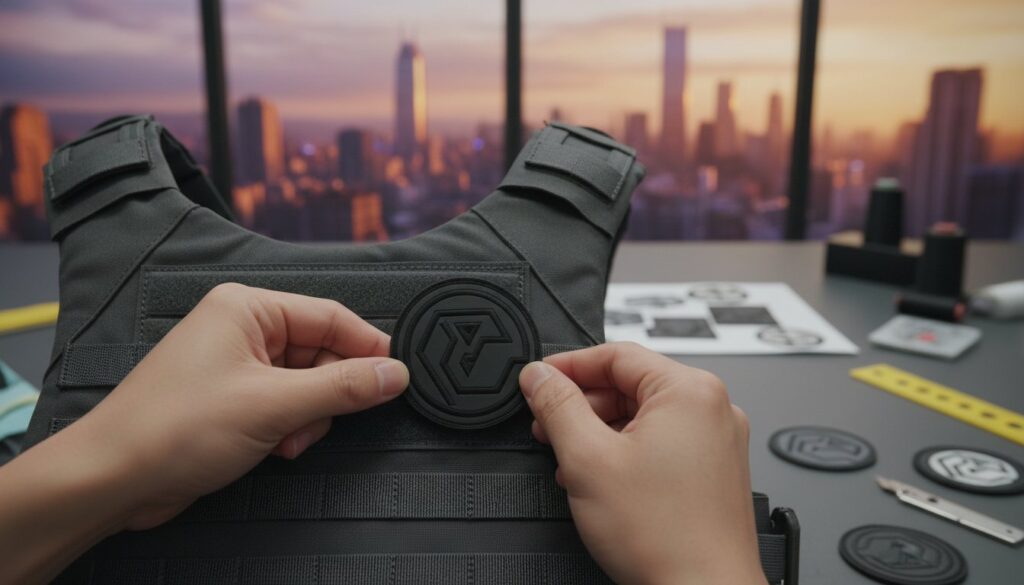
เมื่อวันอังคารที่ผ่านมา ผู้ก่อตั้งบริษัทอุปกรณ์ยุทธวิธีแห่งหนึ่งได้โทรหาผม พวกเขามีปัญหาเกี่ยวกับชุดแพทช์ล่าสุดที่สั่งจากซัพพลายเออร์รายใหม่ ซึ่งแพทช์เหล่านี้เริ่มหลุดลุ่ยหลังจากใช้งานฝึกซ้อมเพียงครั้งเดียว แถบตีนตุ๊กแกที่ใช้ติดก็อ่อนแอมาก จนทำให้พวกเขาสูญเสียแพทช์ประจำหน่วยไปถึง 151 ชิ้นภายในเวลาเพียงบ่ายเดียว.
คุณอาจเคยเจอสถานการณ์นี้มาแล้ว คุณลงทุนกับการสร้างแบรนด์ที่ควรจะดูเฉียบคมและมืออาชีพ แต่กลับพังทลายลงเมื่อถึงเวลาสำคัญ มันน่าหงุดหงิดมาก และทำให้อุปกรณ์ของคุณดูราคาถูก นั่นคือเหตุผลที่ผมจะอธิบายกระบวนการทั้งหมดให้คุณฟัง ฉันจะพาคุณไปดูทุกสิ่งที่คุณจำเป็นต้องรู้เกี่ยวกับการออกแบบ การผลิต และการใช้งานแผ่นตีนตุ๊กแกคุณภาพสูง เพื่อสร้างระบบแบรนด์แบบโมดูลาร์ที่มีประสิทธิภาพสูงและใช้งานได้จริง.
เราจะครอบคลุมทุกอย่างตั้งแต่การเลือกวัสดุระหว่าง PVC ที่ทนทานกับสไตล์ปักแบบคลาสสิก ไปจนถึงการตรวจสอบให้แน่ใจว่ารายละเอียดการออกแบบของคุณคมชัดและชัดเจน ทั้งหมดนี้เพื่อให้ประสบการณ์การผลิตของคุณราบรื่นอย่างสมบูรณ์ ไม่มีค่าใช้จ่ายแอบแฝง ไม่มีปัญหา แค่แพทช์ที่ยอดเยี่ยม ที่ทำได้ง่ายๆ.
ประเด็นสำคัญ
- ผมจะอธิบายว่าทำไมระบบตะขอและห่วงแบบง่ายจึงยังคงเป็นมาตรฐานที่ไม่มีใครเทียบได้สำหรับความยืดหยุ่นในการใช้งานของอุปกรณ์ยุทธวิธีและเครื่องแต่งกาย.
- เรียนรู้วิธีเลือกวัสดุสำหรับปะที่เหมาะสมกับความต้องการเฉพาะของคุณ ไม่ว่าคุณจะต้องการ PVC ที่กันน้ำหรือการปักแบบคลาสสิก.
- ฉันจะแสดงรายละเอียดโครงสร้างที่สำคัญ เช่น ขอบเย็บแบบเมอโร่ ที่ช่วยให้แผ่นปะของคุณทนทานและไม่หลุดลุ่ย.
- ค้นพบกระบวนการง่าย ๆ ของฉันในการเปลี่ยนไอเดียการออกแบบของคุณให้กลายเป็นแผ่นเวลโครคุณภาพสูงแบบสั่งทำพิเศษ ตั้งแต่การร่างบนกระดาษเช็ดปากไปจนถึงการตรวจสอบขั้นสุดท้าย.
ทำไมแผ่นตีนตุ๊กแกถึงเป็นมาตรฐานแบบโมดูลาร์สำหรับอุปกรณ์ยุทธวิธี
ฉันออกแบบตราสัญลักษณ์ตามสั่งมาเป็นเวลากว่า 15 ปีแล้ว ในช่วงเวลานั้น ฉันได้เห็นเทรนด์ของอุปกรณ์ต่างๆ มาแล้วก็ไป สายรัด PALS ที่ตัดด้วยเลเซอร์ได้เข้ามาแทนที่ระบบ MOLLE แบบดั้งเดิมบนเสื้อเกราะกันกระสุนหลายรุ่นหลังปี 2015 และสีที่ใช้ก็เปลี่ยนจากลายพรางป่าคลาสสิกมาเป็น MultiCam และ Wolf Grey แต่สิ่งหนึ่งที่ยังคงเป็นราชาแห่งความยืดหยุ่นอย่างไม่มีข้อโต้แย้ง: แถบตีนตุ๊กแก.
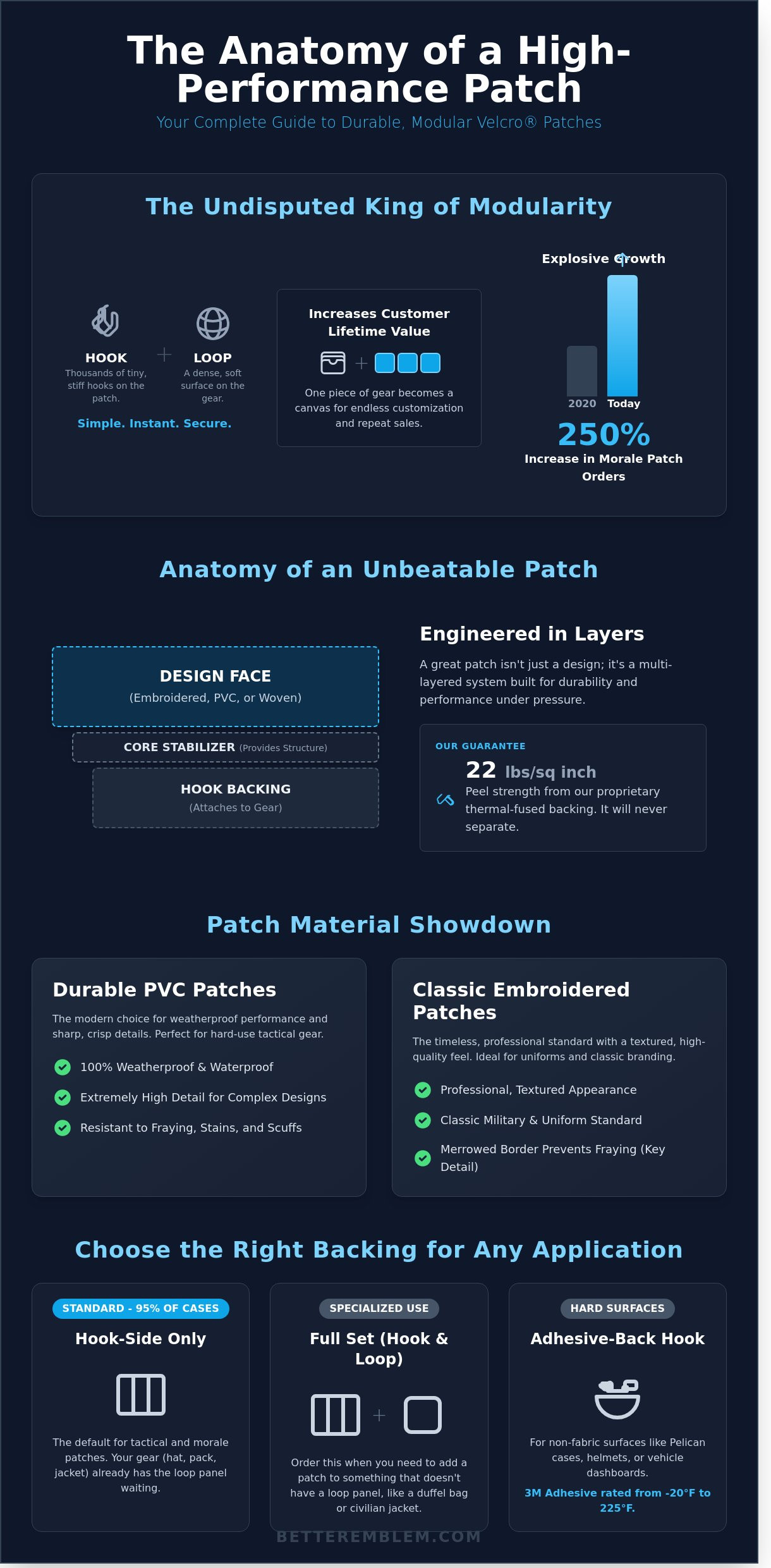
ความอัจฉริยะของระบบนี้อยู่ที่ความเรียบง่าย มันคือความสัมพันธ์ระหว่างสองส่วนประกอบ: ด้านที่เป็น “ตะขอ” ซึ่งมีตะขอเล็กๆ แข็งๆ จำนวนมาก และด้านที่เป็น “ห่วง” ซึ่งมีพื้นผิวเป็นห่วงเล็กๆ ที่หนาแน่นและนุ่ม เมื่อกดทั้งสองเข้าด้วยกัน พวกมันจะล็อกแน่น เมื่อดึงออกจากกัน พวกมันจะหลุดออกทันที แค่นั้นเอง หากต้องการศึกษาเชิงลึกเกี่ยวกับกลไกและประวัติความเป็นมาตั้งแต่ทศวรรษ 1940 โปรดดูที่ ฮุคแอนด์ลูป 101 ทรัพยากร นี่คือคำศัพท์ทางวิชาชีพที่เราใช้ และความเข้าใจในคำนี้คือกุญแจสำคัญในการเห็นคุณค่าว่าทำไมมันจึงได้ผลดีเยี่ยม.
ระบบง่าย ๆ นี้ได้เป็นแรงผลักดันให้เกิดการเพิ่มขึ้นของ “แพตช์ขวัญกำลังใจ” สิ่งที่เริ่มต้นในวงการทหารเป็นวิธีแสดงความภาคภูมิใจในหน่วยหรืออารมณ์ขันแบบมืด ๆ ได้กลายเป็นที่นิยมในวงกว้าง ตั้งแต่ปี 2020 เป็นต้นมา เราได้เห็นการเพิ่มขึ้นของคำสั่งซื้อแพตช์ขวัญกำลังใจจากลูกค้าที่ไม่ใช่ทหารถึง 250% บริษัทเทคโนโลยีใช้สิ่งเหล่านี้สำหรับกิจกรรมสร้างทีม แบรนด์กาแฟสร้างสินค้าลิมิเต็ดอิดิชั่นสำหรับแฟนคลับที่ภักดีที่สุดของพวกเขา มันเป็นการแสดงออกทางกายภาพของการเป็นส่วนหนึ่งของกลุ่ม ไม่ว่าจะเป็นทีมดับเพลิงหรือกลุ่มพัฒนาซอฟต์แวร์.
สำหรับสายเสื้อผ้าหรืออุปกรณ์ของคุณ นี่หมายถึงผลตอบแทนจากการลงทุน (ROI) ที่มหาศาล การสร้างแบรนด์ที่สามารถเปลี่ยนได้คืออาวุธลับของคุณในการเพิ่มมูลค่าตลอดอายุการใช้งานของลูกค้า ลองคิดดูสิ ลูกค้าซื้อเป้สะพายหลังแบบยุทธวิธี $150 ของคุณที่มีช่องสำหรับติดแถบโลโก้มาตรฐาน นั่นคือการขายหนึ่งครั้ง แต่ตอนนี้คุณสามารถเสนอแพตช์ $10 สำหรับการเปิดตัวผลิตภัณฑ์ แพตช์ $12 รุ่นลิมิเต็ดสำหรับเทศกาล และแพตช์ $15 ที่เป็นการร่วมมือกันได้ กระเป๋าเป้ใบเดียวนี้สามารถสร้างรายได้เพิ่มเติมถึง $37 อุปกรณ์ของคุณกลายเป็นผืนผ้าใบ และลูกค้าของคุณกลายเป็นนักสะสม.
กายวิภาคของแผ่นตีนตุ๊กแกคุณภาพสูง
แพตช์ที่ยอดเยี่ยมไม่ใช่แค่การออกแบบเท่านั้น; มันถูกสร้างขึ้นเป็นชั้นๆ ชั้นแรกคือ หน้า, ที่ซึ่งการออกแบบปัก, ทอ, หรือ PVC ของคุณมีชีวิตอยู่. ด้านหลังนั้นคือ แกน, สารทำให้เสถียรที่ให้โครงสร้างแก่แผ่นแปะ สุดท้าย, ตะขอสำรอง. เราใช้กระบวนการหลอมด้วยความร้อนที่เป็นกรรมสิทธิ์เฉพาะ ซึ่งสร้างการยึดติดที่มีความแข็งแรงในการลอกถึง 22 ปอนด์ต่อตารางนิ้ว แผ่นปะและแผ่นรองหลังจะไม่แยกออกจากกันอย่างแน่นอน รับประกัน.
ปัจจัยความหลากหลาย: จากชุดเครื่องแบบสู่กระเป๋าปืน
ความยืดหยุ่นนี้คือเหตุผลที่คุณเห็นฟิลด์แบบวงทุกที่ แผ่นเวลโครเหล่านี้ไม่ได้ใช้แค่กับเสื้อเกราะและหมวกของผู้ปฏิบัติงานอีกต่อไป พวกมันอยู่บนกระเป๋าใส่ของ, ซองใส่แล็ปท็อป, และแม้กระทั่งบนผ้าคลุมหลังคาของยานพาหนะออฟโรด สำหรับแบรนด์ของคุณ นี่หมายความว่าทุกชิ้นส่วนของอุปกรณ์คือโอกาส สำหรับทีม นี่หมายถึงการระบุตัวตนได้ทันที เจ้าหน้าที่แพทย์สามารถติดแผ่นสัญลักษณ์กากบาทสีแดงได้ในไม่กี่วินาที หรือผู้ฝึกสอนสามารถเปลี่ยนตัวบ่งชี้บทบาทของตนได้โดยไม่ต้องเปลี่ยนเสื้อผ้าแม้แต่ชิ้นเดียว.
ฮุคแอนด์ลูป 101: ทำความเข้าใจกลไกของการยึดติดที่ปลอดภัย
คุณคงเคยเห็นมันบนทุกสิ่งตั้งแต่ชุดนักบินอวกาศไปจนถึงกระเป๋าอุปกรณ์ของคุณเอง แต่ไม่ใช่ว่าตะขอและห่วงทุกแบบจะเหมือนกัน ระบบนี้เองเป็นความมหัศจรรย์ทางวิศวกรรม เป็นการเลียนแบบธรรมชาติโดยตรง ทั้งหมด ประวัติของเวลโคร เริ่มต้นด้วยวิศวกรชื่อจอร์จ เดอ เมสทรัล ที่สังเกตเห็นหนามเล็กๆ ติดขนสุนัขของเขา เขาเห็นตะขอเล็กๆ ที่จับกับห่วงของขนและผ้า การสังเกตง่ายๆ นี้ได้สร้างอุตสาหกรรมมูลค่าหลายพันล้านดอลลาร์ขึ้นมา ทุกวันนี้ คุณภาพของระบบนั้นขึ้นอยู่กับวัสดุและการผลิตที่อยู่เบื้องหลังทั้งหมด.
มาทำความเข้าใจพื้นฐานกันก่อน ด้านที่เป็น “ตะขอ” คือส่วนที่หยาบและขรุขระ ทำจากตะขอพลาสติกขนาดเล็ก ด้านที่เป็น “ห่วง” คือพื้นผิวที่นุ่มและฟูกว่า สำหรับแผ่นป้ายยุทธวิธีและแผ่นป้ายขวัญกำลังใจ มาตรฐานนั้นง่ายมาก: ด้านตะขอต้องติดกับตัวแผ่นปะเสมอ. แผงห่วงถูกติดตั้งไว้ในอุปกรณ์ของคุณ เช่น เสื้อกั๊กเกราะ หมวกกันน็อค หรือกระเป๋าเป้ ซึ่งช่วยป้องกันไม่ให้ด้านตะขอที่หยาบเกี่ยวติดกับสิ่งต่างๆ เมื่อมีการถอดแผ่นแพตช์ออก.
เราวัดการยึดของตัวยึดเหล่านี้ด้วยการทดสอบ “แรงดึง” ตัวยึดระดับมืออาชีพควรทนต่อแรงเฉือนได้มากกว่า 10 ปอนด์ต่อตารางนิ้ว ซึ่งหมายความว่าสามารถต้านทานการเลื่อนไปมาด้านข้างด้วยแรงที่รุนแรงได้ นั่นคือความกระชับที่คุณต้องมีเมื่อคุณเคลื่อนที่ผ่านพุ่มไม้หรือชนกับอุปกรณ์ต่างๆ นี่ก็เป็นเหตุผลว่าทำไมแผ่นกาวราคาถูกที่ทำงานด้วยอุณหภูมิสูงจึงไม่เหมาะสำหรับงานระดับมืออาชีพ แถบตีนตุ๊กแก. พวกมันจะเหนียวในอุณหภูมิ 100°F และเปราะเมื่อต่ำกว่าจุดเยือกแข็ง ทำให้ด้านหลังทั้งหมดลอกออก สำหรับอุปกรณ์ที่คุณต้องพึ่งพา การเย็บด้านหลังอย่างแน่นหนาเป็นทางเลือกเดียวที่แท้จริง.
การเลือกสไตล์การสนับสนุนที่เหมาะสม
การได้รับการสนับสนุนที่เหมาะสมเป็นก้าวแรกสู่ความผูกพันที่มั่นคง มันง่ายมาก ส่วนใหญ่แล้วคุณต้องการเพียงประเภทเดียวเท่านั้น แต่การรู้ตัวเลือกของคุณจะช่วยป้องกันการสั่งซื้อผิดพลาด.
- เฉพาะด้านข้างตะขอ: นี่คือค่าเริ่มต้นสำหรับ 95% ของแผ่นป้ายยุทธวิธีและขวัญกำลังใจ อุปกรณ์ของคุณมีแผงห่วงรออยู่แล้ว คุณเพียงแค่ต้องการแผ่นป้ายที่มีแถบตีนตุ๊กแกพร้อมสำหรับติดตั้ง.
- ชุดเต็ม (ตะขอและห่วง) สั่งซื้อสิ่งนี้เมื่อคุณต้องการติดแพทช์บนสิ่งของที่ไม่มีแผงห่วง เช่น กระเป๋าเดินทางหรือเสื้อแจ็คเก็ตพลเรือน คุณจะได้รับแพทช์ที่มีด้านหลังเป็นตะขอและผ้าห่วงที่สามารถเย็บติดกับเสื้อผ้าของคุณได้.
- ตะขอแบบมีกาวในตัว นี่คือสำหรับพื้นผิวแข็งที่ไม่ใช่ผ้า คิดถึงเคส Pelican แผงหน้าปัด หรือหมวกกันน็อค วัสดุติดด้านหลังคุณภาพสูงใช้กาวที่มีความไวต่อแรงกดของ 3M ซึ่งได้รับการรับรองสำหรับอุณหภูมิตั้งแต่ -20°F ถึง 225°F ทำให้มั่นใจได้ว่าจะไม่ล้มเหลวเมื่อคุณต้องการมากที่สุด.
ความยาวนานของความผูกพันของคุณ
แผ่นปะคุณภาพควรใช้งานได้ยาวนาน. จุด. ระบบตะขอและห่วงที่ผลิตอย่างดีสามารถทนต่อการติดและถอดได้มากกว่า 10,000 ครั้ง. หากแผ่นแปะของคุณหลุดออกเร็วกว่าปกติ มักเกิดจากสาเหตุหลักสามประการ ได้แก่ เศษสิ่งสกปรก การเย็บที่ไม่แน่นหนา หรือวัสดุคุณภาพต่ำ ขนปุย ฝุ่น และเส้นผมคือศัตรูหมายเลขหนึ่ง เพราะสิ่งเหล่านี้จะอุดตันตะขอและทำให้ตะขอไม่สามารถยึดเกาะเส้นใยของห่วงได้อย่างแน่นหนา.
การเย็บที่ไม่ดีเป็นอีกหนึ่งจุดที่มักเกิดความล้มเหลว หากแผงตะขอไม่ถูกเย็บติดกับแผ่นปะอย่างแน่นหนา มุมจะเริ่มลอกขึ้นและในที่สุดจะนำไปสู่ความล้มเหลวทั้งหมด นี่เป็นข้อบกพร่องในการผลิตอย่างชัดเจน นั่นคือเหตุผลที่เราใช้การเย็บเสริมความแข็งแรงในทุกแผ่นปะที่เราผลิต คุณสามารถ ขอใบเสนอราคาสำหรับแผ่นแปะที่ออกแบบมาเพื่อติดทนนาน, ไม่ว่าจะอยู่ในสภาพใดก็ตาม เพื่อรักษาการยึดเกาะให้แข็งแรง เพียงใช้แปรงสีฟันขนนแข็งหรือเทปตะขออีกชิ้นหนึ่งทำความสะอาดเศษสิ่งสกปรกออกจากทั้งแผ่นปะและแถบห่วงบนอุปกรณ์ของคุณเป็นระยะ การเชื่อมต่อที่สะอาดคือการเชื่อมต่อที่ปลอดภัย.
การเลือกวัสดุของคุณ: PVC, ปัก หรือ เวลโครทอ?
ฉันถูกถามคำถามนี้ทุกวัน: “วัสดุใดดีที่สุดสำหรับแผ่นตีนตุ๊กแกของฉัน?” คำตอบไม่ได้เกี่ยวกับว่าอะไรคือ “ดีที่สุด” แต่คืออะไรที่เหมาะสมกับภารกิจของคุณ คุณกำลังจัดเตรียมอุปกรณ์ให้ทีมสำหรับปฏิบัติการภาคสนาม สร้างแบรนด์บนอุปกรณ์ของบริษัท หรือสร้างของสะสม? การใช้งานของคุณเป็นตัวกำหนดวัสดุ มาแยกแยะสามประเด็นหลักกันเพื่อให้คุณสามารถตัดสินใจได้อย่างถูกต้องและรวดเร็ว.
สำหรับประสิทธิภาพทางยุทธศาสตร์ที่แท้จริง PVC คือราชา. มีเหตุผลที่แบรนด์อย่าง GORUCK และ 5.11 Tactical สร้างอุปกรณ์ของพวกเขาขึ้นมาโดยใช้ PVC เป็นแกนกลาง. ผลิตจากโพลีไวนิลคลอไรด์ที่ทนทาน แผ่นปะเหล่านี้กันน้ำ 100% กันโคลน และไม่หลุดลุ่ยหรือขาดง่าย. คุณสามารถลากพวกมันผ่านดินได้ และพวกมันจะสะอาดทันที กระบวนการขึ้นรูปยังช่วยให้ได้รายละเอียด 3 มิติที่น่าทึ่ง เราสามารถสร้างเส้นที่คมชัดและเอฟเฟกต์แบบหลายชั้นที่เป็นไปไม่ได้ด้วยด้าย ทำให้เครื่องหมายหน่วยหรือโลโก้ที่ซับซ้อนโดดเด่นด้วยความแม่นยำ.
จากนั้นคุณก็จะมีแบบคลาสสิก: แพทช์ปักลาย นี่คือพื้นผิวที่ทุกคนรู้จัก เส้นด้ายที่ยกสูงขึ้นทำให้มีความรู้สึกแบบดั้งเดิมและหรูหรา ซึ่งเป็นเอกลักษณ์ของการสร้างแบรนด์ทางทหารและองค์กรมานานกว่าศตวรรษ เหมาะอย่างยิ่งสำหรับโลโก้ที่โดดเด่น ตัวอักษรที่ชัดเจน และการออกแบบที่เน้นมิติสัมผัส ผลลัพธ์ที่ได้คือแพทช์ที่ไม่เพียงแต่ดูเป็นทางการเท่านั้น แต่ยัง รู้สึก อย่างเป็นทางการ.
แพทช์ทอเป็นทางออกที่ “ลงตัวพอดี” พวกมันมอบสิ่งที่ดีที่สุดจากทั้งสองโลก ด้วยการใช้เส้นด้ายที่บางกว่าเส้นผมมนุษย์ เราสามารถสร้างรายละเอียดในระดับภาพถ่ายที่การปักไม่สามารถเทียบได้ ตราสัญลักษณ์ที่ซับซ้อนซึ่งอาจสูญเสียความคมชัดเมื่อปักบนผ้า จะปรากฏอย่างสมบูรณ์แบบเมื่อทอเป็นผ้า นอกจากนี้ยังบางและยืดหยุ่น นอนราบกับพื้นผิวใดๆ วัสดุผ้าแพทช์สมัยใหม่นี้แตกต่างจากต้นแบบไนลอนดั้งเดิมที่ระบุไว้ใน ประวัติของตัวยึดแบบตะขอและห่วง, แต่ก็ทำหน้าที่หลักเดียวกันในการออกแบบที่สะอาดและเป็นโมดูลาร์.
PVC vs. ปักผ้า: การต่อสู้แห่งความทนทาน
พีวีซีเป็นวัสดุที่ทนทาน ไม่หลุดลุ่ย ไม่ลอก และไม่แตก แม้จะถูกถอดเข้าออกอุปกรณ์ของคุณมากกว่า 1,000 ครั้งก็ตาม ในทางกลับกัน การปักมอบความรู้สึกหรูหราที่พลาสติกไม่สามารถเลียนแบบได้ มันสื่อถึงประเพณีและมีคุณภาพที่จับต้องได้ซึ่งผู้คนรู้สึกเชื่อมโยง พูดง่ายๆ คือ: PVC เป็นตัวเลือกอันดับหนึ่งสำหรับอุปกรณ์กลางแจ้งที่ทนทาน ในขณะที่การปักเป็นมาตรฐานสำหรับแบรนด์ที่มีมรดกตกทอดและเครื่องแบบทางการที่ต้องการรูปลักษณ์คลาสสิกเป็นสำคัญ.
ตัวเลือกพิเศษ: 3D พัฟ และเชนีล
คุณสามารถติดแถบตีนตุ๊กแกบนงานปักนูน 3 มิติได้หรือไม่? แน่นอน และมันดูน่าทึ่งมาก โฟมที่อยู่ใต้เส้นด้ายจะดันลวดลายของคุณให้ยกขึ้น สร้างเอฟเฟกต์ที่โดดเด่นและมีมิติ เรายังมีผ้าขนหนูเชนีล แถบตีนตุ๊กแก, โดยใช้วัสดุแบบฟัซซี่และย้อนยุคจากเสื้อแจ็คเก็ตของทีมมหาวิทยาลัยเพื่อเพิ่มบรรยากาศวินเทจที่ไม่เหมือนใครให้กับเสื้อผ้าสมัยใหม่ ผมจะพูดตรงๆ: ตัวเลือกเหล่านี้มีราคาสูงกว่าประมาณ 30-50% ต่อหน่วย ผมแนะนำสำหรับโครงการที่มีผลกระทบสูง เช่น การเปิดตัวสินค้าแบบลิมิเต็ดอิดิชั่น หรือสินค้าพรีเมียมที่จุดประสงค์หลักคือการสร้างความโดดเด่น.
วิศวกรรมเพื่อความทนทาน: ขอบเย็บแบบเมอโรและโครงสร้างกันสภาพอากาศ
อุปกรณ์ของคุณต้องเผชิญกับการใช้งานหนัก แผ่นปะที่หลุดลุ่ย ม้วน หรือซีดจางหลังจากใช้งานเพียงไม่กี่สัปดาห์ในภาคสนามนั้นไม่ใช่แค่ความรำคาญ แต่เป็นความล้มเหลว แผ่นปะจะดีได้ก็ต่อเมื่อมีการผลิตที่ดี และเราผลิตแผ่นปะของเราให้ทนทานกว่าภารกิจ ทุกอย่างเริ่มต้นที่ขอบ.
การหลุดลุ่ยคือสาเหตุอันดับหนึ่งที่ทำให้แพทช์ปักเสียหาย เพื่อหยุดปัญหานี้ คุณมีสองทางเลือกที่ดีที่สุด:
- ชายขอบที่ถักด้วยลายแมร์โรว์ นี่คือมาตรฐานทองคำสำหรับความทนทาน ขอบเย็บแบบเมอโร่เป็นเทคนิคการเย็บแบบล็อคขอบที่แข็งแรงเป็นพิเศษ โดยเย็บทับรอบขอบของแผ่นปะอย่างสมบูรณ์ เพิ่มความแข็งแรงของโครงสร้างได้สูงสุดถึง 300% เมื่อเทียบกับการเย็บแบบซาตินมาตรฐาน มันล็อคหน้าปักเข้ากับผ้าหลังอย่างแน่นหนา ป้องกันการหลุดลอกและการหลุดลุ่ยบนรูปทรงมาตรฐานเช่น วงกลม สี่เหลี่ยม และโล่.
- ขอบตัดด้วยเลเซอร์: สำหรับรูปทรงที่ซับซ้อนหรือไม่สม่ำเสมอ ขอบเย็บแบบเมอร์โรว์อาจไม่สามารถทำได้ นั่นคือจุดที่การตัดด้วยเลเซอร์เข้ามามีบทบาท เลเซอร์ความเข้มสูงตัดรูปทรงของแผ่นปะด้วยความแม่นยำสมบูรณ์แบบ ทำให้เส้นด้ายไหม้และปิดผนึกในครั้งเดียว ซึ่งสร้างขอบที่สะอาดและทันสมัยที่ช่วยให้สามารถทำรายละเอียดที่ซับซ้อนได้ละเอียดถึง 1 มม. โดยไม่มีความเสี่ยงที่จะหลุดลุ่ย.
ความลับของ “การป้องกันผมชี้ฟู”
คุณเคยเห็นพวกมันมาแล้ว สิ่งของราคาถูกพวกนั้น แถบตีนตุ๊กแก ที่ดูเหมือน Pringles หลังจากวางไว้กลางแดดเป็นเดือน การม้วนตัวนี้เกิดขึ้นเมื่อผ้าด้านหน้าและด้านหลังที่เป็นตะขอขยายและหดตัวในอัตราที่แตกต่างกัน เราแก้ไขปัญหานี้ด้วยการออกแบบแกนกลางที่กึ่งแข็งเพื่อเสริมความมั่นคงเข้าไปในทุกแผ่นแพตช์ แกนกลางนี้จะคงความเรียบแบนได้ในช่วงอุณหภูมิตั้งแต่ -20°F ถึง 120°F ทำให้แผ่นแพตช์ของคุณแนบสนิทกับอุปกรณ์ของคุณได้อย่างมั่นคง ไม่ว่าจะอยู่ในสภาพแวดล้อมใดก็ตาม.
การออกแบบสำหรับการใช้งานภาคสนาม
แผ่นปะที่ทนทานแต่ไม่สามารถอ่านได้ก็ไร้ประโยชน์ เราออกแบบให้มีความชัดเจนสูงสุดภายใต้สภาวะกดดัน สำหรับข้อมูลสำคัญ เช่น รหัสเรียกขานหรือหมู่เลือด ขอแนะนำให้ใช้ความสูงตัวอักษรขั้นต่ำ 6 มม. เพื่อให้แน่ใจว่าข้อความสามารถอ่านได้อย่างชัดเจนจากระยะ 5 ฟุต แม้จะถูกปกคลุมด้วยฝุ่นหรือโคลนบางส่วน แนวทางที่มีความคมชัดสูงของเรา โดยใช้การผสมผสานสีที่มีอัตราส่วนความสว่างอย่างน้อย 4.5:1 (ซึ่งเป็นมาตรฐานการเข้าถึง) รับประกันว่าแพตช์ของคุณจะทำงานได้อย่างมีประสิทธิภาพ.
ความคงทนของสีมีความสำคัญไม่แพ้กัน สีที่ซีดจางจะลดทอนการมองเห็น นั่นคือเหตุผลที่เราใช้เฉพาะเส้นด้ายโพลีเอสเตอร์และเม็ดสีพีวีซีที่มีความทนทานต่อรังสียูวีระดับ 4.5 ตามมาตรฐาน Blue Wool Scale ในทางปฏิบัติ นั่นหมายความว่าแผ่นปะของคุณสามารถทนต่อการสัมผัสกับแสงแดดโดยตรงได้นานกว่า 1,500 ชั่วโมงก่อนที่จะมีการซีดจางที่เห็นได้ชัดเจน แพตช์ของคุณจะดูคมชัดตั้งแต่วันแรกจนถึงวันที่ 500.
พร้อมที่จะออกแบบแพตช์ที่ไม่ล้มเหลวในสนามหรือไม่? รับตัวอย่างการออกแบบฟรีจากผู้เชี่ยวชาญด้านอุปกรณ์ยุทธวิธีของเราวันนี้.
วิธีที่เราทำให้ป้ายเวลโครแบบสั่งทำง่ายสำหรับแบรนด์ของคุณ
ผมเชื่อว่าการได้รับอุปกรณ์ที่ออกแบบเฉพาะสำหรับแบรนด์ของคุณไม่ควรเป็นเรื่องปวดหัว การผลิตอาจดูซับซ้อน แต่เราได้ใช้เวลาหลายสิบปีในการทำให้กระบวนการนี้เรียบง่าย ระบบทั้งหมดของเราถูกสร้างขึ้นเพื่อลดความเครียดออกจากสมการ คุณมีวิสัยทัศน์สำหรับแบรนด์ของคุณ และหน้าที่ของเราคือการทำให้มันเกิดขึ้นจริง โดยไม่มีความยุ่งยากในการแก้ไขไปมาและค่าใช้จ่ายที่ไม่คาดคิดซึ่งทำลายแรงผลักดันของคุณ.
ทั้งหมดนี้ขึ้นอยู่กับกระบวนการ “ง่ายสำหรับคุณ” ของเรา เราได้เปลี่ยนห่วงโซ่อุปทานที่ซับซ้อนให้กลายเป็นขั้นตอนง่าย ๆ สามขั้นตอนสำหรับคุณ:
- ขั้นตอนที่ 1: ส่งไอเดียของคุณมาให้เรา. ไม่ว่าจะเป็นไฟล์เวกเตอร์ที่ขัดเกลาอย่างประณีตหรือเพียงภาพร่างบนกระดาษเช็ดปาก เราเคยเห็นมาแล้วทั้งนั้น เพียงอัปโหลดผลงานของคุณและแจ้งจำนวนที่ต้องการ.
- ขั้นตอนที่ 2: รับไฟล์ตัวอย่างดิจิทัลฟรีของคุณ. ทีมออกแบบของเราจะเริ่มทำงานทันที เปลี่ยนแนวคิดของคุณให้กลายเป็นแบบจำลองดิจิทัลที่ละเอียด คุณจะได้เห็นตัวอย่างของแพตช์ของคุณอย่างชัดเจนก่อนที่เราจะเริ่มเย็บแม้แต่เข็มเดียว.
- ขั้นตอนที่ 3: อนุมัติและผลิต. เมื่อคุณให้สัญญาณอนุมัติแล้ว เราจะเริ่มเข้าสู่กระบวนการผลิตทันที แค่นี้เอง ง่าย รวดเร็ว และโปร่งใสอย่างสมบูรณ์.
อาวุธลับของเรา? ประสบการณ์ OEM หลายทศวรรษ รากฐานของเราอยู่ที่ไต้หวัน ศูนย์กลางการผลิตเทคโนโลยีขั้นสูงระดับโลก และเรามีพันธมิตรการผลิตที่เชื่อถือได้ทั่วเอเชีย สิ่งนี้มอบสิ่งที่ดีที่สุดจากทั้งสองโลกให้กับคุณ: การเข้าถึงเครื่องจักรที่ทันสมัยที่สุดและวัสดุคุณภาพสูง ผสานกับประสิทธิภาพที่ช่วยควบคุมต้นทุนของคุณ คุณจะได้รับคุณภาพระดับแนวหน้าโดยไม่ต้องจ่ายในราคาพรีเมียม.
และเราจริงจังกับความโปร่งใส ราคาที่คุณเห็นคือราคาที่คุณจ่าย เราไม่เชื่อในการเก็บเงินเล็กๆ น้อยๆ จากพันธมิตรของเรา นั่นหมายความว่าไม่มีค่าธรรมเนียมการตั้งค่าแอบแฝง ไม่มีค่าใช้จ่ายในการแปลงข้อมูลเป็นดิจิทัลที่ไม่คาดคิด และไม่มีค่าใช้จ่ายเพิ่มเติมสำหรับแผ่นหลังแบบตีนตุ๊กแก ทุกอย่างรวมอยู่ในราคาแล้ว คุณสามารถวางแผนงบประมาณได้อย่างมั่นใจ 100%.
ความได้เปรียบของตราสัญลักษณ์ที่ดีกว่า
เราอยู่ในธุรกิจสัญลักษณ์มาตั้งแต่ปี 1978 ตลอดระยะเวลาที่ผ่านมา เราได้เห็นปัญหาของแพตช์ทุกประเภท ตั้งแต่ขอบที่หลุดลุ่ยไปจนถึงแผ่นหลังที่ลอก และเราได้ออกแบบวิธีแก้ไขสำหรับทุกปัญหาเหล่านั้น ประสบการณ์อันลึกซึ้งนี้ถูกนำมาใช้ในทุกคำสั่งซื้อ เราผสานมรดกนั้นเข้ากับความมุ่งมั่นในยุคปัจจุบันด้านความยั่งยืนและคุณภาพระดับ OEM สำหรับการผลิตจำนวนมาก เพื่อรับประกันว่าสินค้าที่ปรับแต่งตามความต้องการของคุณ แถบตีนตุ๊กแก ถูกสร้างขึ้นเพื่อความทนทาน. ดูคู่มือของเราเกี่ยวกับการปักลายแพทช์แบบกำหนดเอง สำหรับรายละเอียดเพิ่มเติมเกี่ยวกับจำนวนเส้นด้าย.
การขอใบเสนอราคาสินค้าจำนวนมาก
พร้อมที่จะก้าวไปข้างหน้าหรือไม่? เพื่อให้ได้การดำเนินการที่รวดเร็วที่สุด กรุณาส่งไฟล์งานศิลปะของคุณเป็นไฟล์เวกเตอร์ (.AI, .EPS หรือ .PDF) ซึ่งจะช่วยให้ทีมงานของเราสามารถสร้างตัวอย่างงานให้คุณได้โดยไม่มีข้อผิดพลาดหรือความล่าช้า การสั่งซื้อสินค้าแบบขายส่งเป็นวิธีที่ชาญฉลาดที่สุดในการเพิ่มผลตอบแทนจากการลงทุนของแบรนด์คุณให้สูงสุด ยิ่งสั่งซื้อจำนวนมาก ต้นทุนต่อชิ้นก็จะยิ่งต่ำลง ซึ่งจะช่วยเพิ่มอัตรากำไรของคุณโดยตรง นี่คือกุญแจสำคัญในการขยายแบรนด์ของคุณอย่างมีประสิทธิภาพ.
โครงการของคุณสมควรได้รับพันธมิตรที่ทำให้ทุกอย่างง่ายขึ้น. พร้อมที่จะเริ่มโครงการของคุณหรือยัง? ขอใบเสนอราคาที่ไม่ต้องยุ่งยากได้ที่นี่!
เพียงไม่กี่คลิก คุณก็จะได้แผ่นแปะที่สมบูรณ์แบบสำหรับคุณ
คุณมีคู่มือสำหรับปี 2026 แล้ว คุณทราบดีว่าความแตกต่างระหว่างแพตช์ที่ดีและแพตช์ที่ยอดเยี่ยมอยู่ที่รายละเอียด: การเลือกวัสดุที่เหมาะสม เช่น PVC ที่ทนทานสำหรับอุปกรณ์กลางแจ้ง หรือการปักแบบคลาสสิกสำหรับเครื่องแบบ และการยืนยันในโครงสร้างที่ทนทาน เช่น ขอบเย็บแบบเมอร์โรว์ ผมได้เห็นตัวเลือกเหล่านี้ทำให้โครงการประสบความสำเร็จหรือล้มเหลวมาแล้ว นั่นคือเหตุผลที่เราให้ความสำคัญกับการปรับปรุงกระบวนการนี้ให้สมบูรณ์แบบตั้งแต่ปี 1978 เราดูแลรายละเอียดการผลิตที่ซับซ้อนทั้งหมดเพื่อให้คุณสามารถมุ่งเน้นไปที่วิสัยทัศน์ของคุณสำหรับงานที่สมบูรณ์แบบ แถบตีนตุ๊กแก.
กระบวนการ ‘ทำง่าย’ ของเราพร้อมเมื่อคุณพร้อม คุณจะได้รับราคาที่รวมทุกอย่างโดยไม่มีค่าใช้จ่ายแอบแฝงใด ๆ ซึ่งหมายความว่าราคาที่คุณเห็นคือราคาสุดท้ายที่คุณต้องจ่าย ในฐานะพันธมิตรการผลิต OEM ที่ได้รับความไว้วางใจจากแบรนด์ระดับโลก เรานำคุณภาพและความแม่นยำที่รับประกันเดียวกันนี้มาสู่คำสั่งซื้อของคุณ ไม่ว่าจะมีขนาดใดก็ตาม. สร้างแพทช์เวลโครแบบกำหนดเองของคุณด้วยกระบวนการ “ทำง่าย” ของเรา! เราไม่สามารถรอได้ที่จะได้เห็นการออกแบบของคุณกลายเป็นจริง.
คำถามที่พบบ่อย
ความแตกต่างระหว่างตะขอและห่วงกับเวลโครคืออะไร?
ไม่มีความแตกต่างในการใช้งาน; “เวลโคร” เป็นชื่อแบรนด์ของระบบสายรัดแบบตะขอและห่วง ให้คิดเหมือนกับ “คีนีซ” สำหรับกระดาษทิชชู่ ระบบมีสองด้าน: ด้าน “ตะขอ” ซึ่งเป็นส่วนที่หยาบและขรุขระ และด้าน "ห่วง" ซึ่งเป็นส่วนที่นุ่มและฟู เราใช้ระบบตะขอและห่วงคุณภาพสูงบนแผ่นปะทั้งหมดของเราเพื่อรับประกันการยึดติดที่แน่นหนาซึ่งทนทานต่อการใช้งานในทุกภารกิจหรือกิจกรรมที่คุณเผชิญ.
ฉันสามารถติดแผ่นเวลโครบนเสื้อแจ็คเก็ตที่ไม่มีแถบสำหรับเวลโครได้ไหม?
ใช่ คุณสามารถทำได้แน่นอน วิธีแก้ไขนั้นง่ายมาก: เพียงแค่เย็บแถบผ้าเป็นห่วงติดกับเสื้อแจ็คเก็ตหรืออุปกรณ์ของคุณ เพื่อให้คุณได้รับประสบการณ์ที่สะดวกสบายอย่างแท้จริง เราแถมแผ่นแถบสำหรับติดด้านห่วงฟรีที่เข้าชุดกันกับทุกออเดอร์แพทช์ของคุณ คุณจึงสามารถตกแต่งอุปกรณ์ใดก็ได้ตามต้องการ ไม่ว่าจะเป็นกระเป๋าเป้มาตรฐานหรือเสื้อเกราะยุทธวิธีเฉพาะทาง การติดตั้งใช้เวลาเพียงไม่กี่นาทีด้วยเข็มและด้ายเท่านั้น และคุณยังสามารถกำหนดตำแหน่งได้อย่างอิสระเต็มที่.
แผ่นตีนตุ๊กแกแบบตีนตุ๊กแกสามารถซักด้วยเครื่องซักผ้าได้หรือไม่?
ใช่ แผ่นปะของเราสามารถซักด้วยเครื่องซักผ้าได้ เพื่อผลลัพธ์ที่ดีที่สุด เราขอแนะนำให้คุณกดด้านตะขอและห่วงเข้าด้วยกัน หรือติดแผ่นปะเข้ากับแผงห่วงก่อนซัก ใช้รอบการซักด้วยน้ำเย็นและผงซักฟอกชนิดอ่อน เพื่อป้องกันการหดตัวหรือความเสียหาย ควรปล่อยให้แผ่นปะแห้งเองตามธรรมชาติแทนการใส่ในเครื่องอบผ้า การดูแลง่าย ๆ นี้ช่วยให้อุปกรณ์ของคุณดูดีอยู่เสมอเป็นเวลาหลายปี.
ขอบเย็บริมบนแถบตีนตุ๊กแกคืออะไร?
ขอบเย็บแบบเมอร์โรว์ (Merrowed Border) คือขอบยกสูงแบบคลาสสิกที่เราสร้างขึ้นโดยการเย็บด้ายรอบเส้นขอบนอกของแพตช์อย่างแน่นหนา เป็นตัวเลือกมาตรฐานสำหรับรูปทรงเรียบง่าย เช่น วงกลมและสี่เหลี่ยม ให้แพตช์มีขอบที่เรียบร้อย ทนทาน และป้องกันการหลุดลุ่ยได้ 100% สไตล์นี้ทำให้แพตช์ปักดูเป็นแบบดั้งเดิมและมีความเป็นมืออาชีพ สำหรับแพตช์ที่มีรูปทรงซับซ้อนและไม่สม่ำเสมอ เราใช้ขอบตัดด้วยเลเซอร์เพื่อให้ตรงกับเส้นขอบเฉพาะของดีไซน์คุณได้อย่างแม่นยำ.
ราคาของแพตช์เวลโครแบบสั่งทำจำนวนมากเท่าไหร่?
ราคาขายส่งของเราโปร่งใสและคุ้มค่า สำหรับการสั่งซื้อแผ่นปักโลโก้แบบกำหนดเองจำนวน 100 ชิ้น คุณสามารถคาดหวังราคาได้ระหว่าง 1.25 ถึง 3.75 บาทต่อชิ้น ราคาสุดท้ายขึ้นอยู่กับปัจจัยเฉพาะ เช่น ขนาดของแผ่นปัก ความซับซ้อนของแบบ และจำนวนเส้นด้ายที่ใช้ เราให้บริการใบเสนอราคาฟรี ครอบคลุมทุกอย่าง ไม่มีค่าใช้จ่ายแอบแฝง คุณทราบค่าใช้จ่ายทั้งหมดอย่างแน่นอนก่อนที่คุณจะตัดสินใจสั่งซื้อ.
ปริมาณการสั่งซื้อขั้นต่ำ (MOQ) สำหรับป้ายเวลโครแบบสั่งทำคือเท่าไร?
ปริมาณการสั่งซื้อขั้นต่ำของเราคือเพียง 50 ชิ้น เราคงปริมาณการสั่งซื้อขั้นต่ำ (MOQ) ไว้ในระดับต่ำ เพราะเราเชื่อว่าทุกคนสมควรได้รับอุปกรณ์สั่งทำคุณภาพสูง ไม่ว่าจะเป็นหน่วยงานทหารขนาดใหญ่หรือโครงการส่วนตัวขนาดเล็กก็ตาม เกณฑ์การสั่งซื้อที่ไม่สูงนี้ช่วยให้คุณสามารถสั่งผลิตแผ่นแถบเวลโครแบบกำหนดเองในจำนวนที่ต้องการได้อย่างง่ายดายและคุ้มค่า โดยไม่ต้องสั่งซื้อจำนวนมากเกินความจำเป็น ซึ่งจะช่วยประหยัดทั้งเวลาและงบประมาณของคุณ.
ฉันสามารถขอแผ่นตีนตุ๊กแกที่มีโลโก้ของฉันทำจาก PVC ได้ไหม?
แน่นอนครับ แผ่นป้าย PVC แบบสั่งทำเป็นหนึ่งในตัวเลือกที่ได้รับความนิยมมากที่สุดของเรา โดยเฉพาะสำหรับอุปกรณ์ยุทธวิธีและโลโก้ที่มีรายละเอียด PVC เป็นวัสดุยางที่ทนทานและกันน้ำ ซึ่งช่วยให้เราสามารถสร้างการออกแบบของคุณด้วยเส้นที่คมชัดและชัดเจนในทั้งแบบ 2D หรือ 3D นี่คือตัวเลือกที่ยอดเยี่ยมสำหรับการใช้งานกลางแจ้ง เพราะจะไม่ซีด, ไม่หลุด, หรือแตกหัก แม้จะถูกแสงแดดหรือฝนก็ตาม แค่ส่งโลโก้ของคุณมาให้เรา แล้วเราจะจัดการทุกอย่างให้คุณ.
แถบเวลโครด้านหลังจะทำให้เสื้อผ้าของฉันเสียหายเมื่อเวลาผ่านไปหรือไม่?
ด้านหลังของตะขอ (ด้านหยาบ) อาจเกี่ยวผ้าที่บอบบางได้หากปล่อยให้สัมผัสกับผ้าโดยตรง แต่สามารถป้องกันได้ง่าย เราขอแนะนำให้เก็บแผ่นแพตช์ของคุณติดกับพื้นผิวที่เป็นห่วงบนอุปกรณ์ของคุณหรือบนแผงห่วงที่มาพร้อมกันเมื่อไม่ได้ใช้งาน ด้านที่เป็นห่วงซึ่งโดยปกติจะเย็บติดกับเสื้อผ้านั้นนุ่มและไม่เป็นอันตรายต่อวัสดุใดๆ ที่สัมผัส เสื้อผ้าของคุณจะปลอดภัย 100% เมื่อแผ่นแพตช์ถูกติดหรือเก็บไว้อย่างถูกต้อง.