
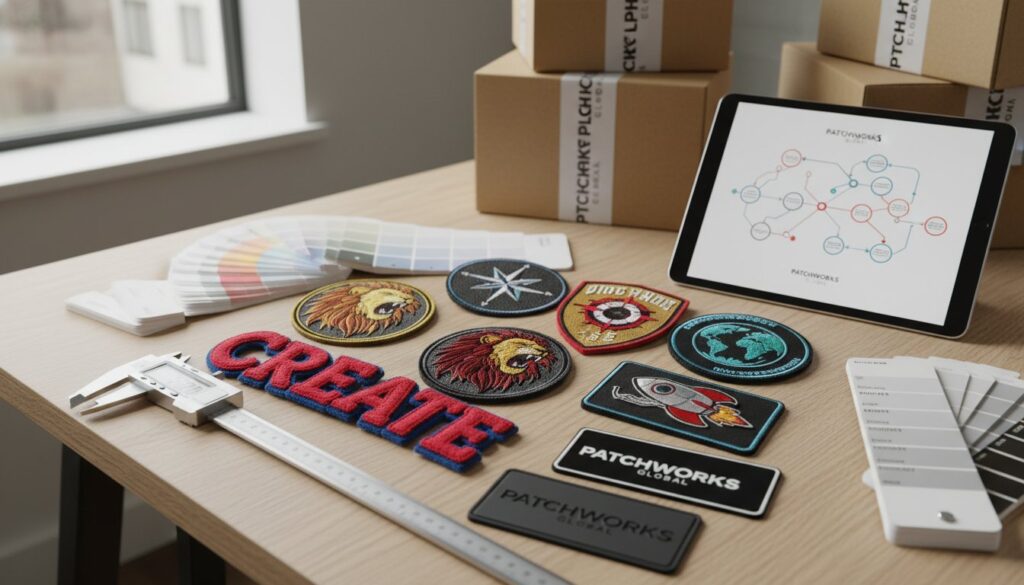
ถ้าความลับในการเพิ่มอัตรากำไรเป็นสองเท่าไม่ใช่การหาผู้จัดหาที่มีราคาถูกกว่า แต่เป็นการเลือกสไตล์แพทช์ที่มีเทคโนโลยีขั้นสูงกว่าล่ะ? ผมรู้ดีว่ามันน่าหงุดหงิดแค่ไหนเมื่อต้องรอตัวอย่างเป็นเวลาหลายสัปดาห์ แต่เมื่อได้รับมาแล้วกลับดูไม่เหมือนการออกแบบต้นฉบับเลย ระหว่างค่าธรรมเนียมนำเข้าทั่วโลก 15% ใหม่ และการยกเลิกขีดจำกัดการยกเว้นภาษี $800 ในเดือนกุมภาพันธ์ 2026 การหาแหล่งจัดหา ขายส่งแพทช์เพื่อขายต่อ ได้กลายเป็นเรื่องที่ซับซ้อนขึ้นมากแล้ว คุณคงกำลังกังวลเกี่ยวกับค่าขนส่งที่สูงและปริมาณสั่งซื้อขั้นต่ำ (MOQ) ที่ดูเหมือนจะเกินกำลังสำหรับแบรนด์ที่กำลังเติบโต.
ผมเคยอยู่ในสถานการณ์เดียวกับคุณ และผมอยากช่วยคุณเปลี่ยนความท้าทายเหล่านี้ให้เป็นข้อได้เปรียบในการแข่งขัน คุณจะได้เรียนรู้วิธีหาแหล่งผลิตแพทช์คุณภาพสูงที่ขายได้จริง ตั้งแต่การเลือกสไตล์การผลิตที่เหมาะสม ไปจนถึงการหาพันธมิตร OEM ที่สมบูรณ์แบบ เราจะสำรวจทุกสิ่ง ตั้งแต่การปัก 3D และเชนิล ไปจนถึงแพทช์ PVC ที่ทนทาน คู่มือนี้ให้แผนงานที่เรียบง่ายเพื่อเพิ่มอัตรากำไรของคุณให้สูงสุด และสร้างห่วงโซ่อุปทานที่เชื่อถือได้และทำงานได้อย่างมีประสิทธิภาพสำหรับคุณ.
ประเด็นสำคัญ
- มาค้นพบกันว่าทำไมสินค้าแบบแพทช์จึงมีอัตราส่วนระหว่างขนาดกับกำไรที่ดีที่สุดในวงการเสื้อผ้า และค่าใช้จ่ายในการส่งสินค้าที่ต่ำช่วยรักษาผลกำไรสุทธิของคุณได้อย่างไร.
- เรียนรู้วิธีเลือกสไตล์การผลิตที่เหมาะสมสำหรับ ขายส่งแพทช์เพื่อขายต่อ, ตั้งแต่การปัก 3D แบบคลาสสิก ไปจนถึง PVC แบบสมัยใหม่.
- ผมจะแสดงให้ท่านเห็นว่าทำไมการก้าวข้ามการใช้ออกแบบสต็อกทั่วไปไปสู่การผลิต OEM ตามสั่ง จึงเป็นวิธีที่ดีที่สุดในการปกป้องแบรนด์ของท่านและทำให้แบรนด์ของท่านโดดเด่น.
- เข้าใจว่าทำไมการเลือกวัสดุรองที่เหมาะสม เช่น ตัวเลือกแบบติดด้วยเตารีดที่ใช้งานง่าย จึงมีความสำคัญไม่แพ้การออกแบบเอง เพื่อสร้างความพึงพอใจให้กับลูกค้า.
- มาดูว่าการร่วมมือกับผู้ผลิตระดับโลกที่มีประสบการณ์สามารถช่วยให้กระบวนการโลจิสติกส์ของคุณง่ายขึ้น และช่วยคุณรับมือกับความซับซ้อนในการผลิตระดับนานาชาติได้อย่างไร.
ทำไมการขายส่งแพทช์เพื่อขายต่อจึงเป็นธุรกิจที่มีกำไรสูง
ผมได้เห็นด้วยตาตัวเองว่า แพทช์ เป็นหนึ่งในผลิตภัณฑ์ที่มีอัตราส่วนระหว่างขนาดกับกำไรที่ดีที่สุดในอุตสาหกรรมเครื่องแต่งตัว โดย ขายส่งแพทช์เพื่อขายต่อ, ผมหมายถึงตราสัญลักษณ์ที่ซื้อในปริมาณใหญ่ ซึ่งออกแบบมาโดยเฉพาะเพื่อสร้างกำไรจากการขายปลีกที่สูง แม้จะมีค่าธรรมเนียมนำเข้าทั่วโลก 15% ที่เริ่มบังคับใช้ตั้งแต่ต้นปี 2026 แต่โมเดลธุรกิจนี้ยังคงมีความมั่นคงอย่างน่าทึ่ง เนื่องจากแพทช์มีขนาดเล็กและน้ำหนักเบา จึงไม่ประสบปัญหาการขนส่งที่ยุ่งยากเหมือนเสื้อฮู้ดที่เทอะทะหรือกางเกงยีนส์ที่หนัก ค่าขนส่งที่ต่ำและความต้องการพื้นที่เก็บรักษาที่น้อย ทำให้แพทช์เป็นสินค้าที่เหมาะอย่างยิ่งสำหรับแพลตฟอร์มอย่าง Etsy หรือ Shopify.
“เศรษฐกิจแพทช์” ในปัจจุบันได้รับแรงผลักดันจากความนิยมในการปรับแต่งให้เหมาะกับตัวบุคคลที่เพิ่มขึ้นอย่างมหาศาล ผู้คนต้องการเล่าเรื่องราวของตัวเองผ่านอุปกรณ์ที่สวมใส่ และแพทช์เพียงชิ้นเดียวคือวิธีที่ง่ายที่สุดในการทำสิ่งนั้น ในขณะที่ ประวัติของแผ่นปัก มีรากฐานจากเครื่องแบบทหารและเครื่องแบบทางการ แต่ตลาดในปัจจุบันมีขอบเขตกว้างขวางกว่ามาก ผมได้เห็นแบรนด์เล็กๆ เติบโตอย่างรวดเร็วด้วยการเสนอผลิตภัณฑ์หลากหลาย ตั้งแต่การปัก 3D บนเสื้อผ้าสตรีทแวร์ ไปจนถึงแพตช์ PVC ที่ทนทานสำหรับผู้ชื่นชอบกิจกรรมกลางแจ้ง เมื่อการยกเว้น de minimis สำหรับรหัส $800 จะสิ้นสุดลงในเดือนกุมภาพันธ์ 2026 การทำงานร่วมกับพันธมิตรที่น่าเชื่อถือและเข้าใจด้านโลจิสติกส์สำหรับการขนส่งสินค้าจำนวนมากจึงมีความสำคัญมากกว่าที่เคย.
สูตรคณิตศาสตร์ที่ให้กำไรสูงจากการขายต่อแพตช์
จุดเด่นของธุรกิจนี้อยู่ที่ค่าใช้จ่ายทั่วไปที่ต่ำ คุณไม่จำเป็นต้องมีคลังสินค้าขนาดใหญ่ เพียงแค่มีกล่องพลาสติกไม่กี่ใบในห้องว่าง ก็สามารถเก็บสินค้ามูลค่าหลายพันดอลลาร์ได้ ผมมักแนะนำให้ใช้แพทช์เป็นสินค้า “เสริม” ที่สมบูรณ์แบบ หากคุณเปิดร้านบูติกหรือร้านอุปกรณ์กีฬา ลูกค้าอาจลังเลเมื่อเห็นแจ็กเก็ต $100 แต่เมื่อถึงจุดชำระเงิน พวกเขามักจะหยิบแพทช์ $10 หรือ $15 ไปด้วยเสมอ อัตรากำไรของคุณมีศักยภาพสูง เพราะคุณซื้อสินค้าในปริมาณมากและขายโดยอาศัยมูลค่าการออกแบบที่ลูกค้ารับรู้ ซึ่งทำให้ธุรกิจนี้กลายเป็นจุดเริ่มต้นที่มีความเสี่ยงต่ำสำหรับผู้เริ่มต้น.
การค้นหาตลาดเฉพาะที่มีกำไร
ความสำเร็จเริ่มต้นจากการเข้าใจกลุ่มลูกค้าของคุณ ผมพบว่ากลุ่มนักขี่มอเตอร์ไซค์และกลุ่มผู้ชื่นชอบอุปกรณ์ยุทธวิธีมีความภักดีอย่างน่าทึ่ง และมักมองหาตัวเลือกที่ทำจาก PVC หรือหนังที่มีความทนทานสูง ส่วนอีกด้านหนึ่ง แผ่นปักหมวกสไตล์บูติกที่กำลังเป็นที่นิยม เช่น แบบเชนีลหรือเลื่อม กำลังครองตลาดไลฟ์สไตล์อยู่ในขณะนี้ อย่าพยายามขายสินค้าให้ทุกคน มองหาตลาดที่ยังไม่ได้รับการตอบสนองอย่างเพียงพอ เช่น กลุ่มที่แสดงความเป็นท้องถิ่น ผู้รักงานอดิเรกเฉพาะกลุ่ม หรือความต้องการด้านการสร้างแบรนด์ของบริษัท ใช้เทรนด์สีที่กำลังมาแรง เช่น สีน้ำตาลสไตล์นีโอวินเทจและสีเขียวป่าที่ได้รับความนิยมในปีนี้ เพื่อกำหนดการสั่งซื้อล็อตแรกของคุณ สิ่งนี้จะช่วยให้สินค้าของคุณขายได้เร็วและรักษาอัตรากำไรให้อยู่ในระดับที่ดี.
การเลือกสไตล์แพตช์ที่เหมาะสมกับกลุ่มลูกค้าของคุณ
ผมมักบอกลูกค้าเสมอว่า “วิธีซ่อมที่ดีที่สุด” ขึ้นอยู่กับสิ่งที่กำลังซ่อมอยู่โดยสิ้นเชิง เสื้อแจ็คเก็ตทำงานที่ทนทานต้องการวิธีการผลิตที่แตกต่างจากกระเป๋าโท้ตแบบบูติกที่บอบบาง การเลือกวิธีซ่อมที่ถูกต้อง ขายส่งแพทช์เพื่อขายต่อ หมายถึงการมองผ่านดีไซน์ไปและมุ่งเน้นไปที่การใช้งาน หากคุณเลือกสไตล์ที่ไม่เหมาะสมกับเสื้อผ้าที่ผิด ลูกค้าของคุณจะไม่พอใจ และอัตราการคืนสินค้าจะเพิ่มขึ้น ผมพบว่าผู้ขายต่อที่ประสบความสำเร็จจะให้ความสำคัญกับโครงสร้างทางเทคนิคของแพทช์ไม่แพ้กับงานศิลปะบนแพทช์เอง.
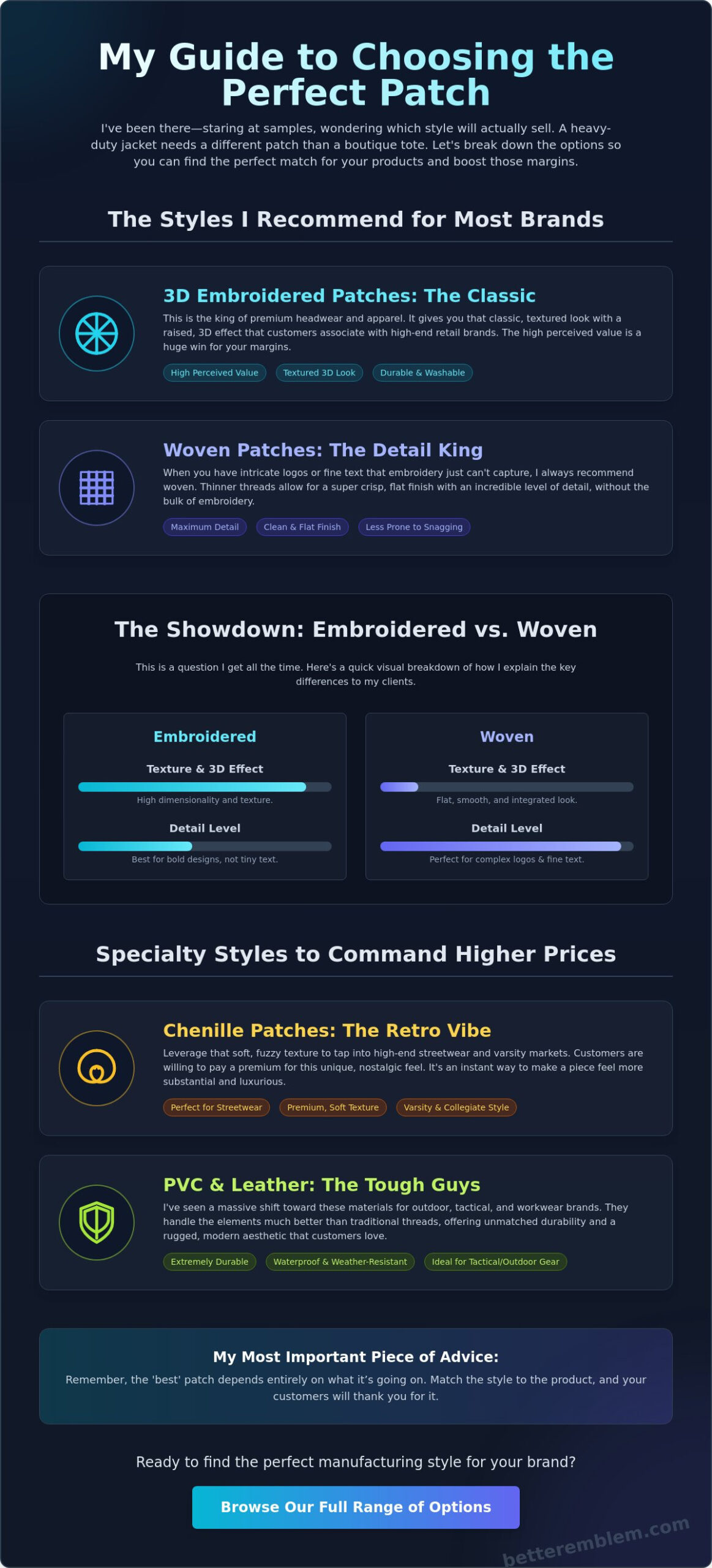
มีผล การบริหารจัดการห่วงโซ่อุปทาน ไม่ใช่แค่การหาผู้ผลิตเท่านั้น แต่ยังต้องเลือกวิธีการผลิตที่สอดคล้องกับมาตรฐานคุณภาพของตลาดเฉพาะกลุ่มของคุณด้วย คุณต้องรู้ว่าเมื่อใดสไตล์การปักแบบคลาสสิกจะเป็นตัวเลือกที่ดีที่สุด และเมื่อใดทางเลือกแบบสมัยใหม่จะช่วยบรรลุเป้าหมายกำไรของคุณได้ดีกว่า นี่คือสไตล์หลักๆ ที่ผมแนะนำสำหรับธุรกิจขายต่อส่วนใหญ่:
- แพทช์ปัก: ตัวเลือกคลาสสิกสำหรับลุค 3D ที่มีพื้นผิวและให้ความรู้สึกถึงมูลค่าสูง.
- แผ่นปะทอ: ตัวเลือกอันดับหนึ่งสำหรับโลโก้ที่ซับซ้อนและข้อความละเอียดที่การปักแบบดั้งเดิมไม่สามารถทำได้.
- แผ่นปะเชนีล: เหมาะอย่างยิ่งสำหรับสไตล์เรโทร สไตล์มหาวิทยาลัย หรือสไตล์สตรีทแวร์ระดับไฮเอนด์.
การปักกับการทอ: การเปรียบเทียบทางเทคนิค
เมื่อคุณต้องการสร้างข้อความที่ละเอียดหรือรายละเอียดเล็กๆ ที่การปักผ้าไม่สามารถทำได้ ผมแนะนำให้ แพทช์ทอ เพื่อให้ได้พื้นผิวที่เรียบเนียนและเรียบสนิท พวกเขาใช้เส้นด้ายที่บางกว่า ซึ่งช่วยให้รายละเอียดมีความคมชัดมากขึ้นโดยไม่ทำให้ดูหนาเกินไป อย่างไรก็ตาม ราชาแห่งหมวกคุณภาพสูงนั้นคือ การปักสามมิติ. มันให้รูปลักษณ์ที่นูนขึ้นและมีรูปทรงชัดเจน ซึ่งลูกค้ามักเชื่อมโยงกับแบรนด์ค้าปลีกระดับพรีเมียม ในด้านความทนทาน ทั้งสองแบบล้วนทนต่อการซักได้ดี แต่ชิ้นส่วนที่ทอมีแนวโน้มที่จะถูกเกี่ยวติดกับอุปกรณ์ที่มีแรงเสียดทานสูงน้อยกว่า.
สไตล์พิเศษที่ขายได้ราคาสูง hơn
การใช้ประโยชน์จาก แพทช์ผ้ากำมะหยี่ ช่วยให้คุณเข้าถึงตลาดเสื้อผ้าสตรีทแวร์ระดับไฮเอนด์และตลาดเสื้อผ้าสไตล์มหาวิทยาลัย ซึ่งลูกค้าพร้อมจ่ายราคาสูงเพื่อสัมผัสเนื้อผ้าที่นุ่มและฟู สำหรับแบรนด์เสื้อผ้าสำหรับกิจกรรมกลางแจ้งและอุปกรณ์ยุทธวิธี ผมสังเกตเห็นการเปลี่ยนทิศทางอย่างมหาศาลสู่การใช้ PVC และหนัง วัสดุเหล่านี้ทนต่อสภาพอากาศได้ดีกว่าผ้าแบบดั้งเดิมมาก หากคุณกำลังมุ่งเป้าไปที่ตลาดเครื่องแบบระดับหรูหรือภาคทหาร ให้พิจารณาใช้ แพทช์สั่งทำพิเศษเฉพาะ เช่น Bullion ที่นำเสนอระดับฝีมือช่างที่ร้านทั่วไปไม่สามารถเทียบได้ ผมเคยเห็นแบรนด์ต่าง ๆ ประสบความสำเร็จจากการผสมผสานสไตล์เหล่านี้ และคุณก็สามารถ ดูตัวเลือกการผลิตทั้งหมดของเรา เพื่อดูว่าอะไรที่ตรงกับวิสัยทัศน์ของคุณ.
กลยุทธ์การจัดหา: การใช้แบบออกแบบที่มี sẵn vs. การผลิต OEM ตามสั่ง
กับดักที่ใหญ่ที่สุดที่ผมเห็นผู้ขายใหม่มักตกเข้าไป คือการซื้อแพทช์ผ้าแบบเดียวกันกับคนอื่น ๆ นี่เป็นข้อผิดพลาดที่ใคร ๆ ก็ทำได้ง่าย ๆ คุณจะพบแคตตาล็อกที่มีดีไซน์นับพันแบบ เลือกมาไม่กี่ร้อยแบบ แล้วก็คิดว่าตัวเองพร้อมที่จะเริ่มขายแล้ว แต่หากคุณสามารถซื้อได้ง่ายขนาดนั้น คู่แข่งของคุณก็ทำได้เช่นกัน เมื่อคุณค้นหา ขายส่งแพทช์เพื่อขายต่อ, คุณจะเห็นดีไซน์ที่เหมือนกันอย่างล้นหลามบนแพลตฟอร์มต่าง ๆ เช่น Amazon และ Etsy สิ่งนี้ก่อให้เกิด “การแข่งขันเพื่อลดราคาให้ต่ำที่สุด” เพราะคุณไม่ได้ขายแบรนด์ที่มีเอกลักษณ์ แต่กำลังขายสินค้าทั่วไปที่ใครก็สามารถขายในราคาที่ถูกกว่าได้ 5 เซนต์.
เพื่อสร้างธุรกิจที่ยั่งยืน คุณต้องเปลี่ยนจาก “การซื้อผลิตภัณฑ์” มาเป็น “การผลิตสายผลิตภัณฑ์” นี่คือจุดที่กลยุทธ์ OEM (Original Equipment Manufacturer) แบบสั่งทำพิเศษจะกลายเป็นเพื่อนที่ดีที่สุดของคุณ โดยการออกแบบผลิตภัณฑ์ของคุณเอง คุณจะสร้างการคุ้มครองแบรนด์ที่ไม่มีใครสามารถลอกเลียนแบบได้ง่ายๆ คุณจะก้าวจากผู้ขายต่อทั่วไปไปสู่การเป็นเจ้าของแบรนด์ที่มีสินทรัพย์เฉพาะตัว ซึ่งสามารถกำหนดราคาที่สูงขึ้นได้.
ข้อดีและข้อเสียของระบบจัดการสต็อก
สินค้าในสต็อกมีบทบาทสำคัญ โดยเฉพาะอย่างยิ่งในการนำสินค้าออกสู่ตลาดอย่างรวดเร็ว หากมีเทรนด์หรือกิจกรรมตามฤดูกาลเกิดขึ้น สินค้าในสต็อกจะช่วยให้คุณใช้ประโยชน์จากโอกาสนั้นได้ทันที ผมมักแนะนำให้ลองทดสอบตลาดด้วยดีไซน์สต็อกไม่กี่แบบ เพื่อค้นหากลุ่มลูกค้าเป้าหมาย นี่เป็นวิธีที่มีความเสี่ยงต่ำในการตรวจสอบว่าตลาดเฉพาะกลุ่มนั้นคุ้มค่ากับเวลาของคุณหรือไม่ ก่อนที่จะลงทุนในการผลิตตามสั่ง อย่างไรก็ตาม คุณต้องติดตามข้อมูลเกี่ยวกับข้อกำหนดทางกฎหมายในการนำเข้าสินค้าเหล่านี้อย่างสม่ำเสมอ ตัวอย่างเช่น การตรวจสอบ คำตัดสินของกรมศุลกากรสหรัฐฯ เกี่ยวกับอัตราภาษีศุลกากรสำหรับแผ่นปัก จะช่วยคุณเข้าใจการจัดประเภทและอัตราภาษีศุลกากรที่เฉพาะเจาะจง ซึ่งใช้กับการส่งสินค้าจำนวนมากของคุณ การพึ่งพาแต่สินค้าในสต็อกเพียงอย่างเดียว หมายความว่าคุณจะอยู่ในภาวะเสี่ยงต่อสงครามราคาอยู่เสมอ.
สร้างมูลค่าแบรนด์ด้วยบริการ OEM ตามสั่ง
มูลค่าแบรนด์ที่แท้จริงเกิดจากการเสนอสิ่งที่ไม่มีใครอื่นมี การทำงานร่วมกับ แพตช์สั่งทำพิเศษ ผู้ผลิตช่วยให้คุณสามารถแปลงงานศิลปะที่เป็นเอกลักษณ์ของคุณให้เป็นผลิตภัณฑ์จริงได้ การเปลี่ยนแปลงนี้ทำให้สามารถตั้งราคาขายปลีกได้สูงขึ้นอย่างมีนัยสำคัญ เนื่องจากออกแบบของคุณเป็นแบบเฉพาะสำหรับร้านของคุณเท่านั้น ระยะเวลาการผลิตสำหรับงานสั่งทำตามความต้องการย่อมยาวนานกว่าการซื้อสินค้าที่มี sẵn คุณควรคาดการณ์ว่ากระบวนการนี้จะรวมถึงการแปลงเป็นดิจิทัล การทำตัวอย่าง และการผลิต ซึ่งอาจใช้เวลาหลายสัปดาห์ โดยการวางแผนวงจรสต็อกสินค้าล่วงหน้า จะช่วยให้คุณมั่นใจว่าแบรนด์ของคุณยังคงมีความเป็นเอกลักษณ์ และอัตรากำไรของคุณได้รับการปกป้องจากคู่แข่ง.
ประเภทและวิธีการติดตั้งแผ่นรอง: สิ่งที่ลูกค้าตลาดมือสองของคุณต้องการ
ผมพบว่าส่วนหลังของงานปักมีความสำคัญไม่แพ้การออกแบบเลยในการสร้างความพึงพอใจให้กับลูกค้า คุณอาจมีงานปัก 3D ที่สวยงามที่สุดในโลก แต่หากมันไม่ติดแน่นกับแจ็กเก็ตของลูกค้า ชื่อเสียงของแบรนด์คุณก็จะได้รับผลกระทบ เมื่อคุณกำลังมองหา ขายส่งแพทช์เพื่อขายต่อ, คุณไม่ได้ขายเพียงงานศิลปะเท่านั้น แต่คุณกำลังขายผลิตภัณฑ์ที่เสร็จสมบูรณ์และต้องใช้งานได้จริง การเลือกวัสดุรองหลังที่เหมาะสมกับกลุ่มเป้าหมายเป็นวิธีง่ายๆ ที่ช่วยลดการคืนสินค้าและสร้างความเชื่อมั่น ผมได้เห็นแบรนด์หลายแห่งที่มองข้ามรายละเอียดนี้ จนต้องเผชิญกับรีวิวที่ไม่พอใจในภายหลัง.
วัสดุติดด้วยเตารีดเป็นตัวเลือกที่ได้รับความนิยมมากที่สุดในวงการค้าปลีกทั่วไป ผู้ใช้ปลายทางสามารถติดได้ง่ายมากที่บ้านด้วยเตารีดธรรมดา ทำให้มันเป็นสินค้าที่ได้รับความนิยมในร้านแฟชั่นและร้านขายของที่ระลึก ส่วนสำหรับตลาดอุปกรณ์ยุทธวิธี แอร์ซอฟต์ และทหาร Velcro (หรือฮุคแอนด์ลูป) เป็นข้อกำหนดที่ขาดไม่ได้ ผู้ใช้กลุ่มนี้จำเป็นต้องเปลี่ยนแพตช์บนเครื่องแบบหรืออุปกรณ์ได้อย่างรวดเร็ว หากคุณขายสินค้าให้กับกลุ่มผู้ใช้ที่ใช้งานหนัก เช่น นักขี่มอเตอร์ไซค์หรือแรงงานในอุตสาหกรรม การเย็บติดคือทางเลือกเดียวที่เหมาะสม มันให้ความทนทานตลอดอายุการใช้งานที่กาวชนิดใดก็เทียบไม่ได้ ทนต่อสภาพแวดล้อมที่รุนแรงที่สุดและการซักล้างบ่อยครั้ง.
คู่มือสำหรับผู้ขายปลีกเพื่อความสำเร็จในการใช้เทคนิครีดติด
ผมมักแนะนำให้สอนลูกค้าวิธีติดแพทช์อย่างถูกต้อง เพื่อหลีกเลี่ยงการคืนสินค้าที่ไม่จำเป็น การแนบการ์ดคำแนะนำเล็กๆ ที่มาพร้อมทุกการซื้อสามารถช่วยป้องกันปัญหาได้มากมาย แม้เครื่องรีดผ้าที่บ้านจะใช้ได้กับคนส่วนใหญ่ แต่คุณควรทราบว่าเครื่องกดความร้อนแบบมืออาชีพจะให้การยึดติดที่สม่ำเสมอมากกว่า หากคุณกำลังติดแพทช์ลงบนเสื้อผ้าสำหรับการผลิตของคุณเอง นอกจากนี้ ยังมีการถกเถียงเรื่อง “แบบชั่วคราว vs. แบบถาวร” สำหรับแบรนด์แฟชั่นด้วย การติดด้วยเตารีดเหมาะอย่างยิ่งสำหรับการยึดติดแบบถาวร แต่การเย็บติดจะให้ลูกค้าของคุณมีอิสระในการย้ายแพทช์ในภายหลังโดยไม่ทำให้ผ้าเสียหาย.
วัสดุรองพิเศษสำหรับตลาดเฉพาะกลุ่ม
บางครั้งวัสดุรองหลังแบบมาตรฐานอาจไม่เพียงพอสำหรับการสร้างแบรนด์แบบเฉพาะทาง วัสดุรองหลังแบบกาวหรือสติ๊กเกอร์เป็นตัวเลือกที่ยอดเยี่ยมสำหรับกิจกรรมส่งเสริมการขายที่ผู้คนต้องการติดแพทช์ลงบนแล็ปท็อป สมุดบันทึก หรือเคสโทรศัพท์ แทนที่จะติดบนเสื้อผ้า ส่วนวัสดุรองหลังแบบแม่เหล็กถือเป็นตัวเลือกที่ซ่อนเร้นแต่มีคุณค่าสำหรับอุปกรณ์เสริมระดับสูง เพราะช่วยให้ผู้ใช้สามารถติดแพทช์ลงบนผ้าที่บอบบางได้โดยไม่ทิ้งรู ผมยังใช้ชั้นหลังทำจากพลาสติกบ่อยครั้งสำหรับแพตช์หลังขนาดใหญ่ด้วย มันให้ความแข็งที่จำเป็นเพื่อป้องกันไม่ให้ดีไซน์เกิดรอยย่นหรือเสียรูปทรงตามเวลา หากคุณต้องการสำรวจตัวเลือกเฉพาะทางเหล่านี้ คุณสามารถ ดูผลิตภัณฑ์ทั้งหมดในหมวดหมู่แผ่นรองแพทช์ เพื่อหาตัวเลือกที่เหมาะสมที่สุดสำหรับตลาดเฉพาะของคุณ.
ร่วมมือกับ Better Emblem Company Ltd. เพื่อสนับสนุนธุรกิจขายต่อของคุณ
ผมทำงานในวงการนี้มาตั้งแต่ปี 1978 และได้เห็นอุตสาหกรรมนี้พัฒนาจากผลิตภัณฑ์แบบเรียบง่ายจนกลายเป็นอุตสาหกรรม OEM ที่ใช้เทคโนโลยีขั้นสูงอย่างที่เรากำลังดำเนินการอยู่ในปัจจุบัน ในสมัยนั้น ตัวเลือกยังมีจำกัด แต่ปัจจุบัน เราใช้เทคโนโลยีความแม่นยำเพื่อผลิตทุกสิ่ง ตั้งแต่การปักลาย 3D ไปจนถึงวัสดุ PVC ที่ทนทาน ผมและทีมงานได้สร้างเครือข่ายธุรกิจระดับโลกให้กับ Better Emblem Company Ltd. โดยมีสำนักงานใหญ่ตั้งอยู่ที่ไต้หวัน และโรงงานผลิตกระจายอยู่ทั่วเอเชียและอเมริกาเหนือ ขนาดการดำเนินงานนี้คือปัจจัยสำคัญที่ทำให้การจัดหา ขายส่งแพทช์เพื่อขายต่อ ทำให้บริการของเราได้ผลอย่างมีประสิทธิภาพสูง เราใช้มาตรฐานคุณภาพการผลิตระดับสูงที่เรามอบให้กับแบรนด์ระดับโลก และนำมาปรับให้เหมาะสมกับธุรกิจของคุณ.
ผมรู้ดีว่ากระบวนการผลิตอาจรู้สึกเหมือนต้องผ่านอุปสรรคหลายขั้น เป้าหมายของผมคือทำให้กระบวนการทั้งหมดตั้งแต่การหาแหล่งจัดหาวัตถุดิบไปจนถึงการผลิตเป็นเรื่องง่าย Better Emblem Company Ltd. ทำหน้าที่เป็นผู้สนับสนุนผู้เชี่ยวชาญของคุณ โดยรับมือกับงานทางเทคนิคที่ซับซ้อน เพื่อให้คุณสามารถมุ่งเน้นไปที่การสร้างแบรนด์และเพิ่มยอดขายได้ เมื่อคุณร่วมมือกับเรา คุณไม่ได้เพียงแค่จ้างผู้ขายเท่านั้น คุณกำลังได้พันธมิตรที่ดูแลการออกแบบของคุณด้วยความใส่ใจในระดับเดียวกับที่เราดูแลผลิตภัณฑ์ของเราเอง เราขจัดความซับซ้อนของโลจิสติกส์ระหว่างประเทศและวงจรการผลิต เพื่อมอบเส้นทางที่ชัดเจนสู่สต็อกสินค้าที่สร้างกำไร.
ความมุ่งมั่นของเราต่อคุณภาพและความยั่งยืน
ผมไม่ยอมรับว่า “ดีพอแล้ว” เพราะผมรู้ว่าลูกค้าของคุณก็เช่นกัน ที่ Better Emblem Company Ltd. เราใช้วัสดุขั้นสูงและด้ายที่มีความทนทานสูง เพื่อรับประกันว่าสีของคุณจะไม่ซีดจาง และขอบผ้าจะไม่หลุดลุ่ย ในปี 2026 คุณภาพยังหมายถึงความรับผิดชอบด้วย เราได้นำด้ายที่เป็นมิตรต่อสิ่งแวดล้อมและกระบวนการผลิตที่สอดคล้องกับหลักจริยธรรมมาบูรณาการเข้ากับขั้นตอนการทำงาน เพื่อตอบสนองความต้องการที่เพิ่มขึ้นต่อสินค้าที่ยั่งยืน แนวทางนี้รับประกันว่าคุณกำลังขายสินค้าที่มีรูปลักษณ์ระดับพรีเมียม และสอดคล้องกับค่านิยมของผู้บริโภคยุคใหม่ เราให้ความสำคัญกับรายละเอียด เช่น ความหนาแน่นของฝีเข็มที่สม่ำเสมอและขอบที่เรียบร้อย เพื่อให้แพทช์ของคุณโดดเด่นในตลาดที่มีการแข่งขันสูง.
เริ่มต้นการเดินทางของคุณกับเรา
การเริ่มต้นการเดินทางกับ Better Emblem Company Ltd. ไม่ควรเป็นเรื่องที่ทำให้คุณปวดหัวเลย ผมได้ออกแบบกระบวนการของเราให้โปร่งใสตั้งแต่วันแรก เมื่อคุณขอใบเสนอราคา คุณจะได้รับราคาที่ครบถ้วน ซึ่งรวมทุกค่าใช้จ่ายไว้แล้ว ไม่มีค่าใช้จ่ายในการผลิตที่ซ่อนอยู่ ซึ่งจะรอให้คุณประหลาดใจในภายหลัง เราจะนำภาพร่างหรือไฟล์ดิจิทัลเบื้องต้นของคุณมาสร้างเป็นตัวอย่างจริง เพื่อรับประกันว่าผลิตภัณฑ์สุดท้ายจะตรงกับวิสัยทัศน์ของคุณอย่างสมบูรณ์ ไม่ว่าคุณจะเริ่มต้นด้วยปริมาณการผลิตน้อยเพื่อทดสอบตลาดใหม่ หรือขยายไปสู่การผลิตจำนวนมาก เรามีศักยภาพที่จะเติบโตไปพร้อมกับคุณ เป้าหมายของเราคือการทำให้การเปลี่ยนผ่านของคุณจากบริษัทสตาร์ทอัพสู่ผู้เล่นหลักในตลาดเป็นไปอย่างราบรื่นที่สุดเท่าที่จะเป็นไปได้.
สร้างแบรนด์ Patch ของคุณด้วยความมั่นใจ
ตอนนี้คุณมีแผนงานที่ชัดเจนเพื่อนำทางผ่านตลาดในปี 2026 แล้ว ความสำเร็จในตลาดนี้ขึ้นอยู่กับสองปัจจัยหลัก: การเลือกสไตล์การผลิตที่เหมาะสมกับตลาดเฉพาะของคุณ และการหลีกเลี่ยงการใช้ออกแบบสำเร็จรูปทั่วไป ไม่ว่าคุณจะมุ่งเป้าไปที่ตลาดอุปกรณ์ยุทธวิธีแบบทนทานด้วย PVC หรือตลาดเสื้อผ้าสตรีทแวร์ระดับสูงด้วยงานปัก 3D การเลือกทางเทคนิคของคุณจะกำหนดอัตรากำไรของคุณ ผมได้แสดงให้คุณเห็นแล้วว่า ขายส่งแพทช์เพื่อขายต่อ สามารถเป็นธุรกิจที่มีกำไรสูงได้ หากคุณเน้นคุณภาพและการปกป้องแบรนด์.
ผมมาเพื่อช่วยคุณทำให้กระบวนการผลิตง่ายขึ้น เพื่อให้คุณสามารถมุ่งเน้นไปที่สิ่งที่คุณทำได้ดีที่สุด นั่นคือการขาย เรามีประสบการณ์เป็นผู้เชี่ยวชาญด้านการผลิตมาตั้งแต่ปี 1978; โรงงานผลิต OEM ระดับโลกของเราพร้อมรับมือกับทุกขั้นตอน ตั้งแต่ตัวอย่างแรกจนถึงการผลิตจำนวนมาก เราให้บริการแปลงแบบออกแบบเป็นรูปแบบดิจิทัลอย่างมืออาชีพ เพื่อให้มั่นใจว่างานออกแบบของคุณจะถูกถ่ายทอดลงบนด้ายหรือยางได้อย่างสมบูรณ์แบบ ถึงเวลาแล้วที่จะหยุดกังวลเกี่ยวกับอุปสรรคที่ซ่อนเร้น และเริ่มสร้างมูลค่าแบรนด์ของคุณ. ขอรับใบเสนอราคาที่ปรับแต่งตามความต้องการสำหรับแบรนด์สินค้ามือสองของคุณวันนี้เลย และมาเริ่มโครงการของคุณกันเถอะ ผมรอคอยอย่างตื่นเต้นที่จะได้เห็นผลงานของคุณ.
คำถามที่พบบ่อย
ประเภทแพทช์แบบไหนที่ดีที่สุดสำหรับการขายต่อบนหมวก?
การปัก 3D เป็นมาตรฐานทองคำสำหรับเครื่องประดับศีรษะระดับพรีเมียม เพราะสร้างรูปลักษณ์ที่ดูมีมิติและเป็นมืออาชีพ ซึ่งลูกค้าชื่นชอบเป็นอย่างมาก หากคุณกำลังมุ่งเป้าไปที่กลุ่มลูกค้าที่ชื่นชอบสไตล์ที่ทนทานหรือเชิงยุทธวิธี แผ่นปะ PVC ก็เป็นตัวเลือกที่ยอดเยี่ยมสำหรับหมวก เนื่องจากมีความทนทานต่อสภาพอากาศสุดขั้ว ผมพบว่าสไตล์ทั้งสองนี้มอบมูลค่าที่รับรู้ได้สูงที่สุดสำหรับผู้ซื้อในภาคค้าปลีก.
ผมสามารถทำกำไรได้เท่าไรจากการขายต่อแพทช์แบบขายส่ง?
ความมีกำไรมักสูง เนื่องจากค่าใช้จ่ายทั่วไปและค่าขนส่งที่ต่ำของ ขายส่งแพทช์เพื่อขายต่อ รักษาอัตรากำไรของคุณไว้ คุณกำลังขายสินค้าที่มีน้ำหนักเบาและแทบไม่กินพื้นที่เก็บสินค้าเลย เนื่องจากลูกค้าให้ความสำคัญกับดีไซน์ที่เป็นเอกลักษณ์และภาพลักษณ์ของแบรนด์ คุณจึงสามารถตั้งราคาขายปลีกที่สูงกว่าต้นทุนการผลิตจำนวนมากได้อย่างมีนัยสำคัญ.
ปริมาณการสั่งซื้อขั้นต่ำ (MOQ) สำหรับแพตช์แบบกำหนดเองคือเท่าไร?
ปริมาณการสั่งซื้อขั้นต่ำมักขึ้นอยู่กับรูปแบบการผลิตที่คุณเลือกสำหรับโครงการของคุณ โดยสินค้าที่มีในสต็อกอาจไม่มีปริมาณการสั่งซื้อขั้นต่ำ แต่การผลิต OEM ตามสั่งมักต้องการปริมาณการสั่งซื้อขั้นต่ำเพื่อครอบคลุมค่าใช้จ่ายในการตั้งค่าเครื่องจักรเฉพาะทางและการแปลงเป็นรูปแบบดิจิทัล ผมแนะนำให้ตรวจสอบข้อกำหนดเฉพาะสำหรับรูปแบบต่าง ๆ เช่น แผ่นปักแบบเชนีลหรือแผ่นปักแบบทอ ก่อนที่คุณจะยืนยันการออกแบบของคุณ.
แพทช์แบบติดด้วยเตารีดมีความทนทานพอที่จะนำไปขายต่อได้หรือไม่?
แพทช์แบบติดด้วยเครื่องรีดมีความทนทานเพียงพอสำหรับการใช้ในอุตสาหกรรมแฟชั่นค้าปลีกส่วนใหญ่ โดยใช้สารยึดติดที่ทำงานด้วยอุณหภูมิ ซึ่งจะสร้างการยึดติดอย่างถาวรกับผ้าเมื่อติดอย่างถูกต้องด้วยเครื่องรีดความร้อนหรือเครื่องรีดผ้าที่บ้าน ผมแนะนำให้จัดเตรียมคู่มือการติดที่เรียบง่ายให้กับลูกค้า เพื่อรับประกันว่าแพทช์จะติดแน่นไม่หลุดแม้ผ่านการซักหลายครั้ง.
ผมควรเลือกแพทช์แบบทอหรือแบบปักสำหรับโลโก้ของผมดีครับ?
ผมแนะนำให้ใช้แพทช์แบบทอ หากโลโก้ของคุณมีเส้นที่บางมากหรือข้อความขนาดเล็ก ซึ่งอาจดูไม่ชัดเจนเมื่อใช้การปักแบบดั้งเดิม เนื่องจากแพทช์แบบทอใช้ด้ายที่บางกว่าและทอให้แน่นกว่า เพื่อแสดงรายละเอียดได้สูงสุด ส่วนหากคุณต้องการรูปลักษณ์ที่คลาสสิกและมีพื้นผิวสัมผัส พร้อมความนูนเล็กน้อย แพทช์แบบปักจะเป็นตัวเลือกที่ดีกว่าสำหรับแบรนด์ของคุณ.
การผลิตแพทช์ตามสั่งสำหรับขายส่งใช้เวลานานเท่าไร?
กำหนดเวลาการผลิตสำหรับ ขายส่งแพทช์เพื่อขายต่อ โดยทั่วไปจะใช้เวลาประมาณไม่กี่สัปดาห์ตั้งแต่เริ่มจนเสร็จสิ้น ระยะเวลานี้รวมถึงการแปลงงานศิลปะของคุณเป็นรูปแบบดิจิทัล การสร้างตัวอย่างจริงเพื่อให้คุณตรวจสอบและอนุมัติ รวมถึงการผลิตจำนวนมากในขั้นตอนสุดท้าย การวางแผนวงจรสต็อกสินค้าไว้ล่วงหน้าจะช่วยให้คุณไม่ขาดสต็อกในช่วงฤดูกาลขายสูงสุด.
ผมสามารถขอตัวอย่างได้ก่อนที่จะสั่งซื้อในปริมาณมากได้ไหมครับ?
คุณควรขอตัวอย่างเสมอ ก่อนที่จะตัดสินใจผลิตในปริมาณใหญ่ ผมได้เห็นแล้วว่าการสัมผัสวัสดุและดูสีด้วยตาจริงนั้นสำคัญเพียงใด เพื่อให้แน่ใจว่าสอดคล้องกับแบรนด์ของคุณ เราจัดเตรียมกระบวนการขอตัวอย่างที่สะดวกและรวดเร็ว เพื่อให้คุณสามารถตรวจสอบคุณภาพและรายละเอียดของออกแบบตามสั่งได้ ก่อนที่จะเริ่มการผลิตในปริมาณใหญ่.
ความแตกต่างระหว่างผู้ผลิตและผู้จำหน่ายส่งที่มีสินค้าในสต็อกคืออะไร?
ผู้ผลิตจะสร้างออกแบบเฉพาะตัวและเป็นกรรมสิทธิ์เฉพาะสำหรับแบรนด์ของคุณ ในขณะที่ผู้จำหน่ายส่งสินค้าแบบสต็อกจะขายแบบที่ผลิตไว้ล่วงหน้าซึ่งทุกคนสามารถซื้อได้ การเลือกผู้ผลิตจะช่วยให้คุณได้รับการคุ้มครองแบรนด์และความเป็นเอกลักษณ์ คุณจะหลุดพ้นจากการเป็นผู้จำหน่ายต่อแบบทั่วไป และกลายเป็นเจ้าของแบรนด์ที่มีสินค้าแบบเอกสิทธิ์ที่คู่แข่งบน Amazon หรือ Etsy ไม่สามารถลอกเลียนแบบได้.